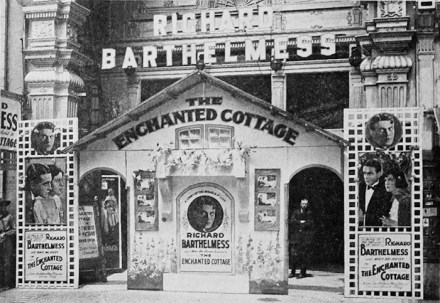
Pam’s Pictorama Post: I guess I should put out a sort of spoiler alert here if you have a hankering to watch one of these versions before reading this post today! This post will be musings on both the 1924 (recent restoration) and the 1945 film. It’s likely I will touch on plot points. In addition to these two films, there is a 2016 version which I have not seen and I do not endeavor to comment on.
The first time I saw the 1945 version of The Enchanted Cottage I was in high school and getting ready to leave one morning and it was on television. I can’t imagine now what channel it could have been on since this was in the days before TCM. I must have caught about half of it. It was long before the internet so I had to hold onto this snippet of film for many years before I was able to catch up with it or even know much about it.
Eventually I was able to catch up with it and have enjoyed multiple viewings over the years. (As a total aside, in researching this I also found a full contemporaneous radio version by Young and McGuire as above.) For those who aren’t in the know, the story centers around an unlikely couple who find happiness in a gently enchanted cottage in the British countryside. The man is a wealthy former bon vivant who has been disfigured in the war and the woman is an unattractive (in a plain Jane sort of way) local who helps out at the house. They enter into a marriage of convenience and thus the story unfolds.
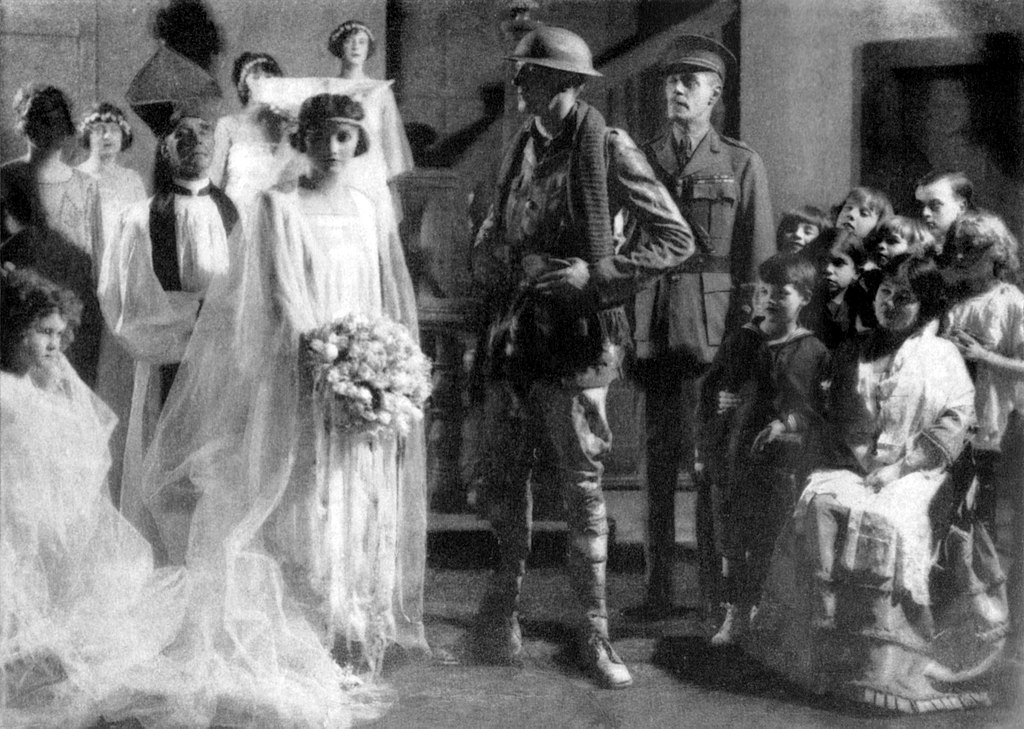
The genesis of the plot appears to be a play of 1921 by the English playwright Arthur Wing Pinero. The outline of the play’s history is somewhat scant, appears to have premiered on Broadway in ’23 with Katherine Cornell and run for a scant 65 performances. For something that has had such legs on film, it did not have an auspicious beginning.
However, it was clearly enough to kick the early film production launching the 1924 version which Edward Lorussa has recently so thoughtfully and thoroughly restored and released via a Kickstarter campaign. (The info on the restoration and the availability of the disk can be found here.)
Although we generally get on board with supporting all of Mr. Lorussa’s restorations, I was bouncing up and down excited for this one. Kim and I had seen a really ratty print a long time ago, I believe, at a branch of the New York Public Library – what used to be the branch across the street from MoMA. It really only served to make me want to see a better restoration.
By now the 1945 film has become a longstanding, much viewed favorite of mine. (It does not appear to be available in full on Youtube, but you can find it on most streaming services.) Robert Young is the young war vet. In this version he and his fiance visit the cottage with the intention of renting it after they are married. They are gaily happy and somewhat dismissive of those around them. However, the war interrupts their plans and he returns from the battlefield a scarred and broken man.
Refusing to marry her after witnessing the shock that his transformation has had on her, he returns to the cottage alone where he shuts himself up and away from family and friends.
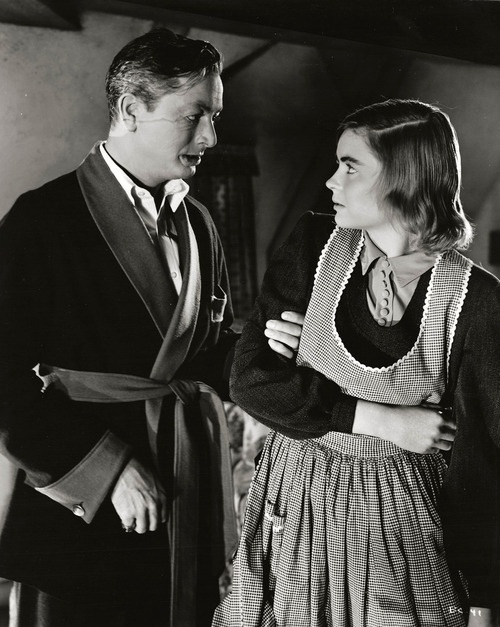
He eventually meets a blind Herbert Marshall and in this version I believe the allusion is to Marshall’s blindness having occurred as a result of the earlier world war. He is well adapted and embracing of his own life, complete with a nephew and pup who are his companions and help him navigate the world. Dorothy McGuire is the female lead. Always tricky to have to make an actress look unattractive or even plain. I would say they do a reasonable job with it.
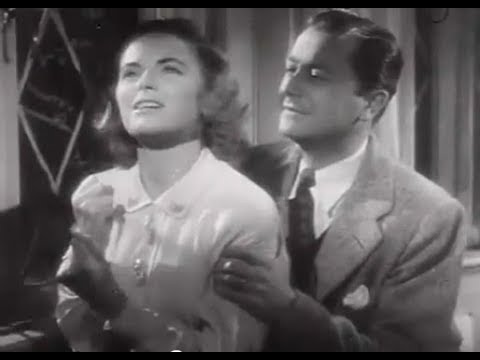
At the heart of the film is the transformation of the couple, by their growing affection and an allusion to the magic of the cottage. This is tricky. You need Robert Young to change, but should his disabilities actually heal? They do a good job of transforming him short of his full-on Hollywood self. A variation would apply to Dorothy McGuire too. While it is a bit hard not to at least see her as a diamond in the rough, she is dutifully dulled down and restored to her requisite glory.
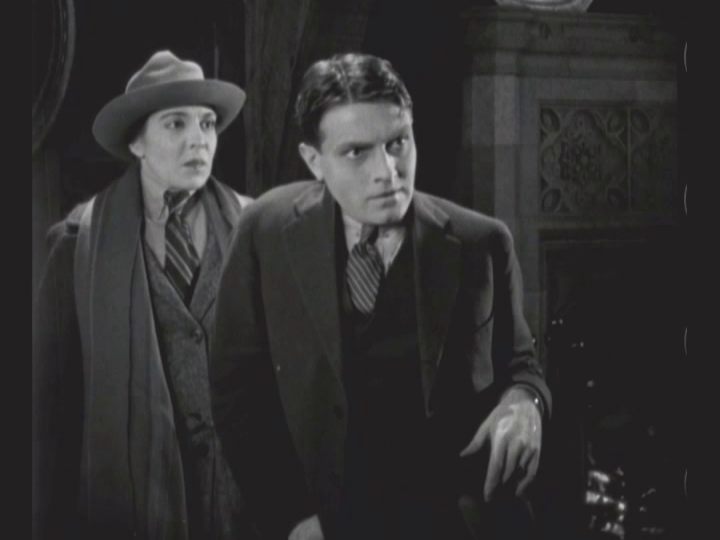
Cold water is thrown on their cocoon of grace as they realize the outside world does not in fact see them as transformed. Their love ultimately conquers this turn and the cottage rewards them with it’s only real moment of magic in this version, when it spontaneously inscribes their name on a lovers window in the cottage.
At 91 minutes this version is somehow infused with a bit more background story and color than the 1924 version which is a scant ten minutes shorter. The ’24 version is darker, both literally and in essence. We have no opportunity to meet the vet in better days and while his fawning weak mother is a bigger part in the ’45 film a somewhat masculine and very bossy sister is added to a good effect. She even bosses the mother and father. In this version the fiance is also made fairly short shrift of as well.
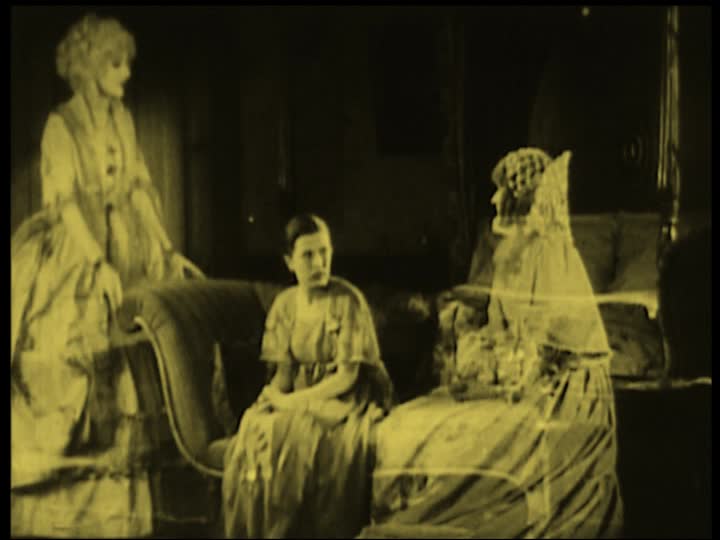
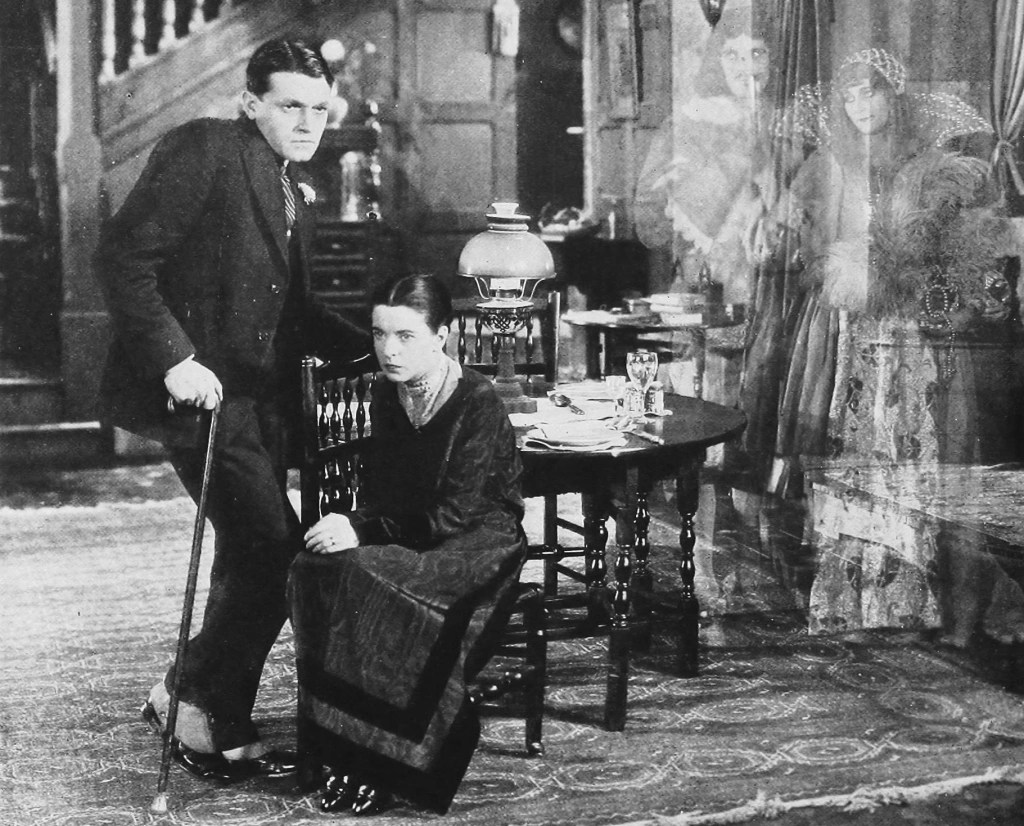
This cottage is kept quite dark for much of the film and unlike the later version we are treated to ghostly couples of the past romping throughout and one assumes they play a helpful role in getting this couple together. This time the lovers are played by Richard Barthelmess and May McAvoy.
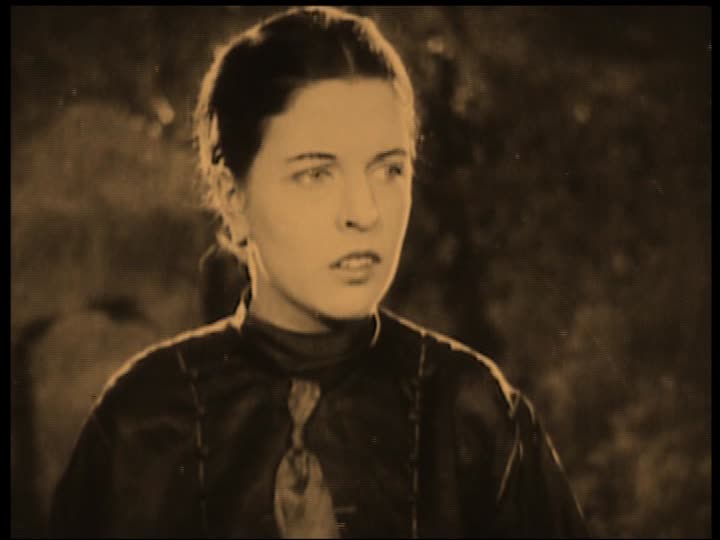
Barthelmess has impairment of leg and arm on one side, in addition to scars on his face. Even transformed, he maintains some trouble walking and a limited use of his arm. Meanwhile, May McAvoy is taunted by unthinking schoolchildren for looking like a witch. They walk a good line with her looking quite plain and her transformation is, I think, more pronounced than the Dorothy McGuire one.
I think the real difference here is there is a rawness post WWI which plays out differently in the post WWII version. The blind Major Hillgrove (Holmes Herbert in this version) is perhaps the most poignant difference. In this version they were actually in a war torn hospital together briefly and his own pain over his blindness is still visceral. At one point when asked about their transformation he longs for it to be true so that maybe he too will be healed. Perhaps the very real and sometimes raw sadness of the film accounts for the fact that it did not do well upon release. It was dubbed too cerebral among other things by critics.
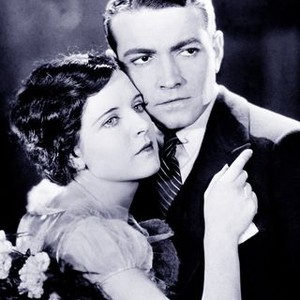
Mr. Lorusso has done a splendid job (as always!) with the restoration. Rodney Sauer of the Mont Alto Motion Picture Orchestra to create a piano and violin score for the film which helps create the overall ambiance. As you will see if you read the above description by Lorusso, you will see it was made from a rare 35mm print and it is largely beautiful if a bit soft in places. He speculates that there was originally tinting.
Also, freakishly, this print was somehow made over the sound track of an entirely different film. The story about how that came about is lost to the sands of time. Fortunately however the film is not and I highly recommend purchasing a copy and settling in to watch a double feature with it and the 1945 version. Three cheers for Edward Lorusso!
 Pam's Pictorama
You can watch online here:
https://ok.ru/video/271425604259
LikeLiked by 1 person
Oh yay! Thank you!! I have a taste to see it yet again – although I may give the radio program a try first.
LikeLiked by 1 person
Ed’s restoration is on my to watch list tonight! Very nice post!
LikeLiked by 1 person
You’ll enjoy it! A real treat. I’ll be interested to hear what you think.
LikeLike