More Autumn in New York: Catching Up

Pam’s Pictorama Post: Yesterday I devoted my post to writing about work and specifically about the dog event fiesta that September has become. My job, which is on a fiscal year ending on December 31 (I do not recommend this), will increase in volume, stress and energy required, continuously increasing through our gala in early December and on through the last week of the calendar year until I fall over on New Year’s Day. However, returning from our summer weeks in New Jersey is more than adjusting to increasing work, it is the adjustment back into our lives here at the official location of Deitch Studio – a physically much smaller epicenter of our operation.

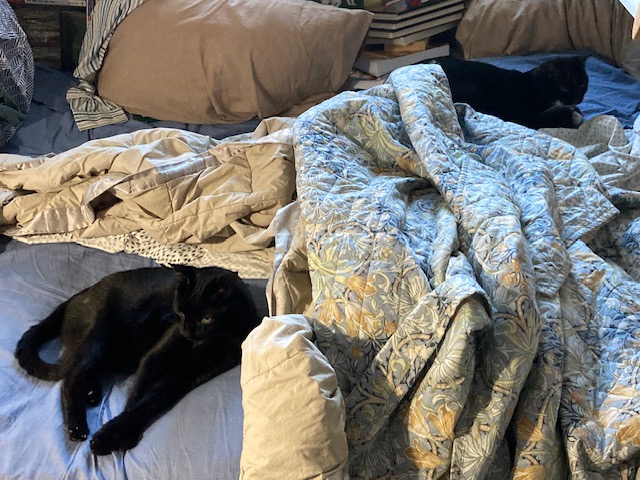
Cookie and Blackie are generally very relieved that we have once again returned them to their private abode here. While there is novelty with the twice yearly trips to the shore house, their discovery that other cats exist in the universe aside from them (not a welcome thought), they prefer the one room here where they rule unimpeded.

Blackie and Cookie in an uneasy bed truce yesterday.

For those readers who remember that Blackie was limping before we left (resulting in an emergency trip to work on Saturday) his limp has improved but not gone away. The trickiest jumps are a bit beyond him (the pedestal sink in the bathroom to his chagrin – he needs us to lift him in for a drink), but his jumping gradually improved in New Jersey. He and Cookie are 14 this year and perhaps this is a bit of age showing. If he didn’t hate the vet so I would take him to my friends in rehab and let them have a look or perhaps do some acupuncture on it.

Meanwhile, when we return they spend the first weeks hating each other like they never saw the other before. Blackie wasn’t allowing Cookie on the bed which annoyed her but she was so happy to return to her perch on the top of the couch by the windows she ignored it until it blew over in the last day or so.

I probably bought it because it is pretty but looking forward to reading it soon too.

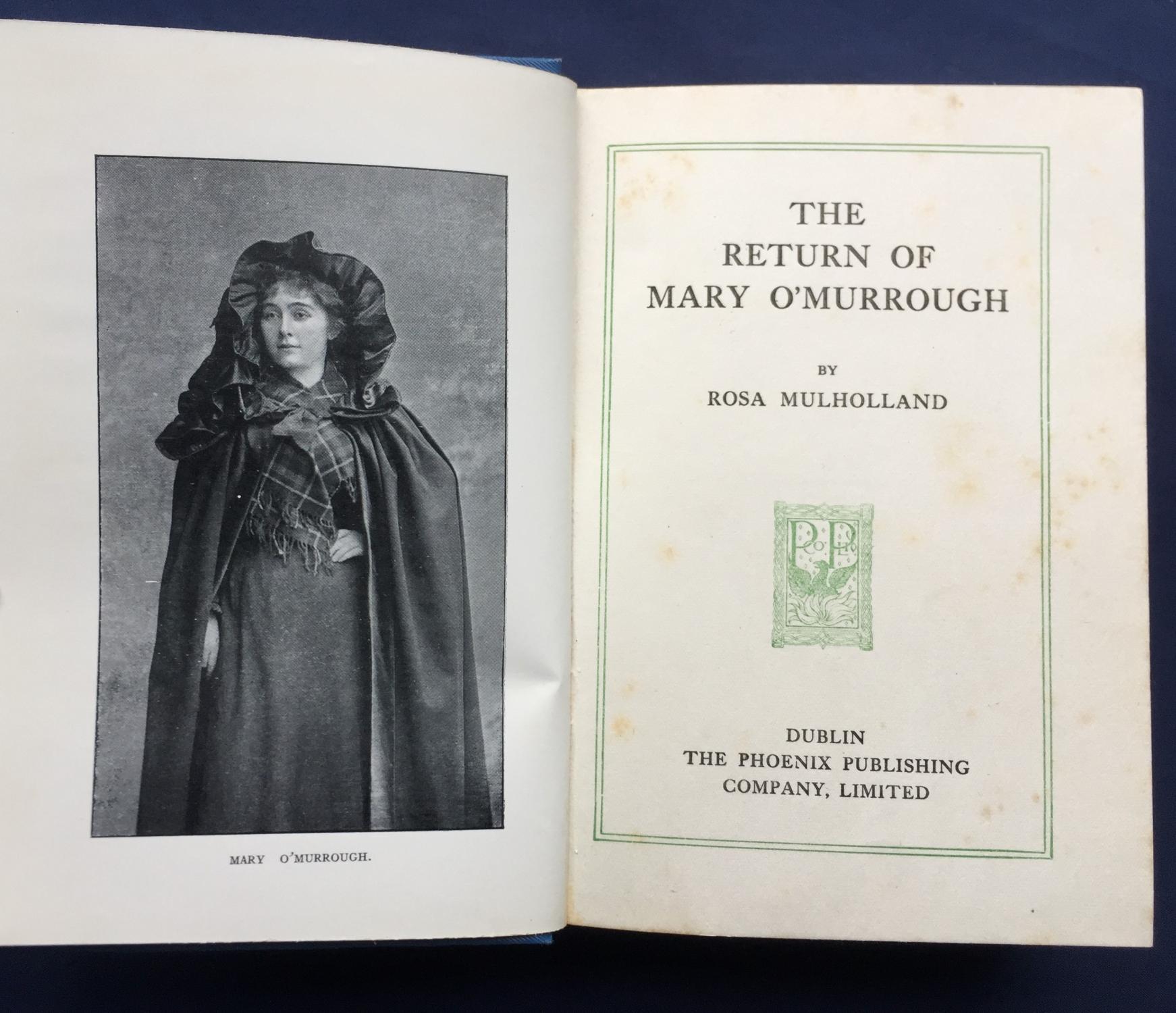
Books! Despite leaving a pile in New Jersey, many seem to have found their way back here too. As much as I have embraced reading electronically where I can (all new novels and what I can find on my list for 19th and early 20th century writers) I must say somehow a stack of books has built up next to the bed. They are mostly one off old novels and volumes of short stories from the 1910’s. If I find any new leads into interesting writers I will let you know. The most recent Rosa Mulholland book acquisitions reside there, while several earlier volumes remained in New Jersey. (Earlier posts on her novels can be found here, here and here.)

I am enjoying a book of short stories, Nancy’s Country Christmas, 1904, by someone named Eleanor Holt which I purchased on one of our trips to the Antiques Annex. Unfortunately this volume seems to be her only published effort aside from a magazine serialization or two and the internet has yielded little. I would read more of her if there was more to read.

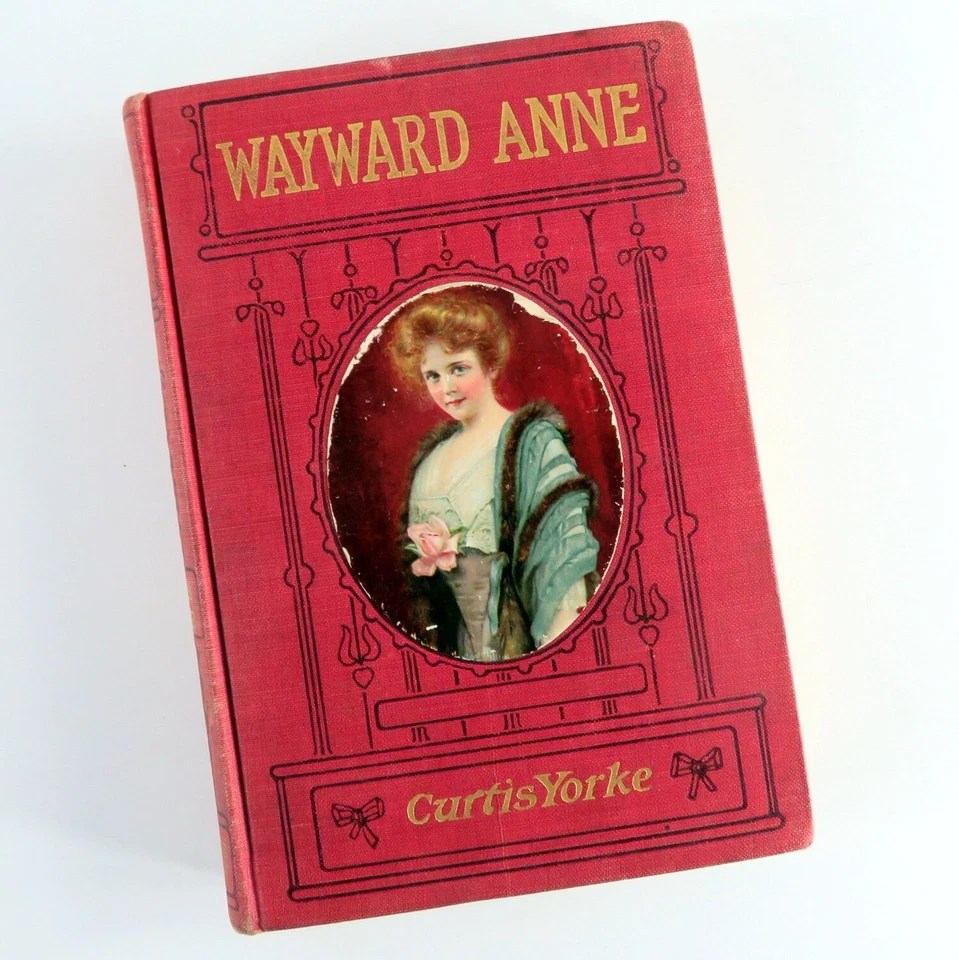
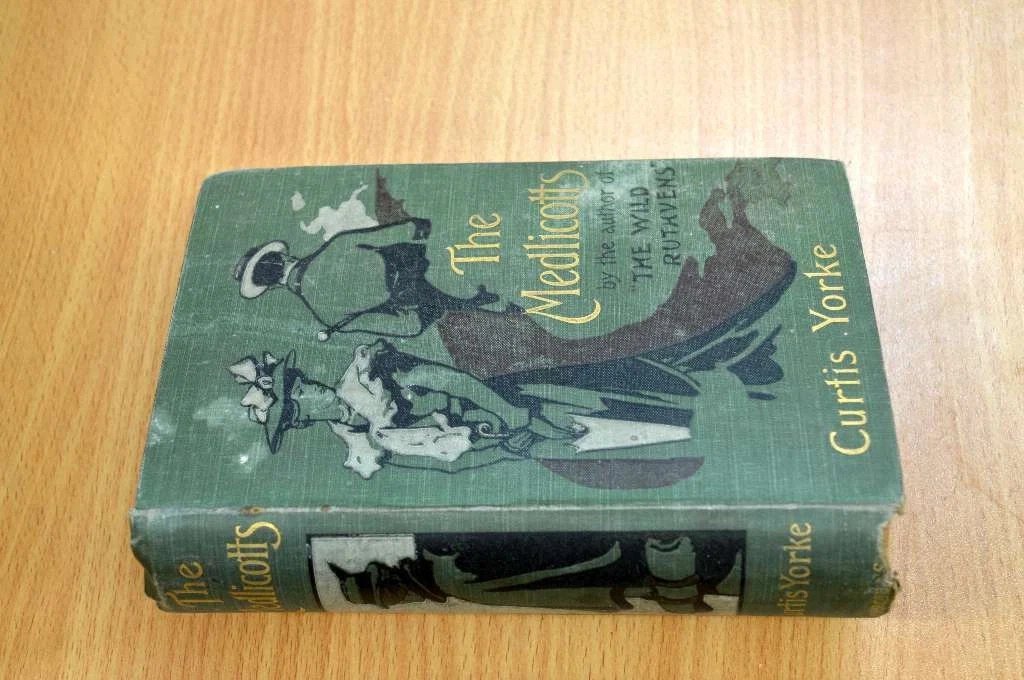
Very few of the books I buy still have their covers!

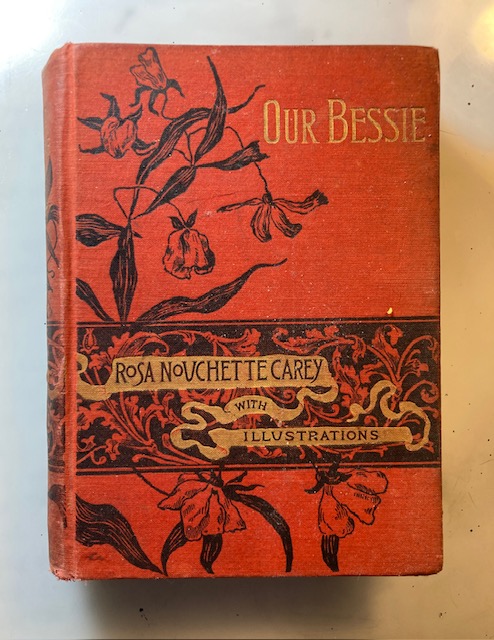
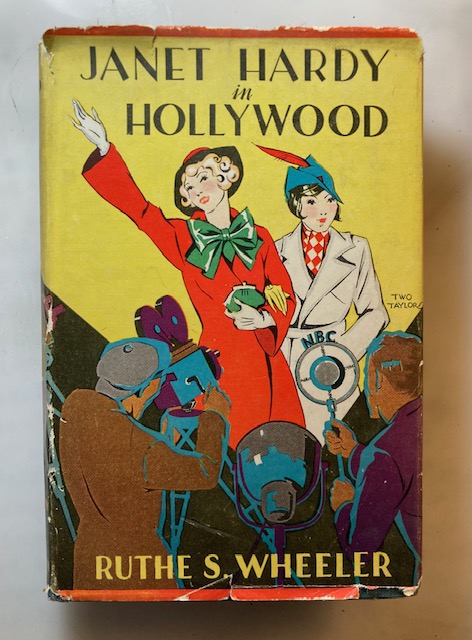
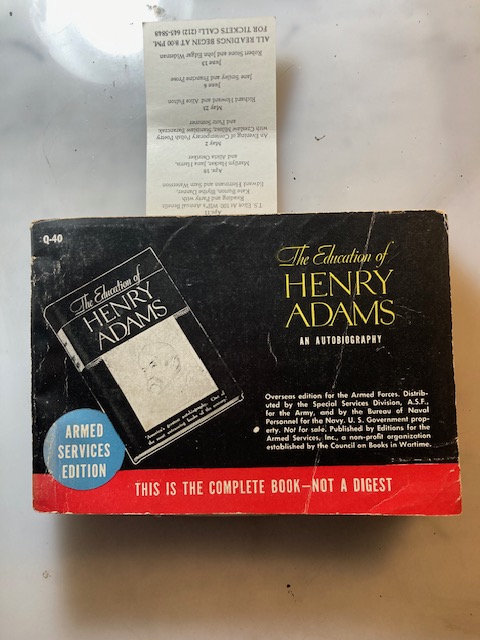
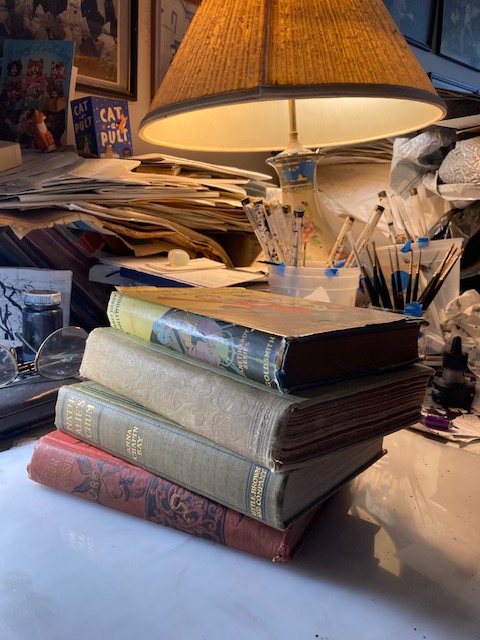
In the pile are: Natalie’s Chum by Anna Chapin Ray, 1905; Our Bessie by Rosa Nouchette Cary (nicely illustrated) with no publication date but a note on the flyleaf of 1896; and a later addition of Janet Hardy in Hollywood by Ruth Wheeler, a series book from 1935. To his credit I think Kim is reading his way through things largely purchased and left to pick back up in New York. His nose has been buried in The Education of Henry Adams for a while now since we got back – in an interesting horizontal paperback form designed to distribute to GI’s. He read reprints of the Superman saga during some of his vacation in New Jersey but luckily for our limited space, was able to leave them at the house there.

Kim’s reading.

I am a rather voracious reader when I get going and I have read a number of contemporary novels recently as well. I generally review them very briefly on Goodreads if you ever wonder what I am reading when I get into the 21st century. I am partial to books about time travel and for example highly recommend The Ministry of Time (here) and, slightly different, The Life Impossible (and here). I am a fast reader and the books pile up so I am glad they are largely electronic. Some are so splendid though I do miss having physical copies. I also miss the ability to hand my copy of an excellent book over to a friend.

Stack of books among those next to the bed right now.

Aside from digesting stuff and somehow sorting it into the apartment, there is so much to do as there is for all of us in this back-to-school time of year. I am struggling through the last of the paperwork for my mother’s estate (having saved the worst for last I am afraid; the transfer of retirement accounts is ferocious), the apartment here needs attention (plumber anyone? I can’t seem to get a call back and our toilet needs to be replaced), and soon the weather will inform me it is time to turn the closets over and a long delayed need to weed through them. I have made two fall clothing purchases and both are brown which is different for me – we’ll see how that works out. I will say we have very limited closet space and it is that moment when summer and fall clothes are cheek to jowl. My list for what needs doing is long!

Adjusting to our somewhat miniscule kitchen and away from my garden means a different kind of cooking – more just assembling than cooking really. It took a week or two but I seem to have reacquired the skill set. Kim and I have remembered the sort of dance required for both of us to be in there – let alone when the cats want to be with us! However, soup time is upon us and I am mentally gearing up to schedule in my weekly soup making. (Recipes for soups can be found in prior posts here and here.)

THE PORDENONE SILENT FILM FESTIVAL 2025 – 44TH EDITION: SPECIAL EVENTS AND RETROSPECTIVES

The super charged energy of fall will help – street festivals, dates to see friends, new exhibitions. Even for us early film fans there are options – a favorite, the Perdenone Silent Film Festival, is the first week in October and broadcast online with a subscription. (Information about the festival can be found here.) Next weekend I travel back to New Jersey for some appointments there. Mum season will have begun (I like a good couple of mums on the front steps – can’t compete with Park Avenue shown above though) and I will start to turn my thoughts to getting the garden ready for winter and the eventual holiday season there.

This ended up being longer than planned so thank you if you stayed with me to the end! Also a shout out to all of you as Pictorama crossed the 500 member line last week. Thank you!

Rosa Mulholland: Part One

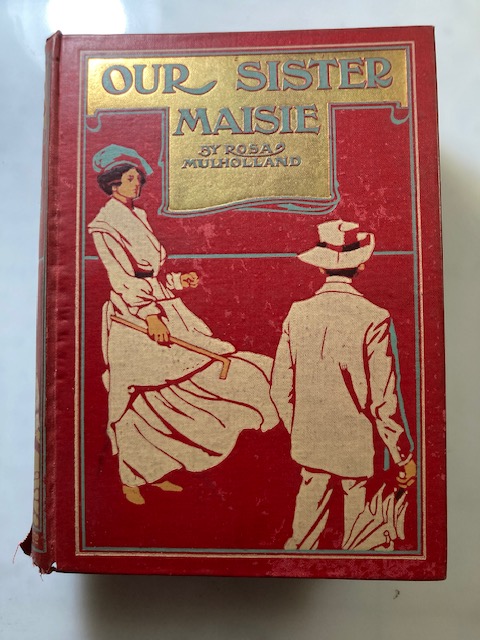
Pam’s Pictorama Post: If yesterday was devoted to a bit of what we’ve been watching here at Deitch Studio, today I will spend some time on what I have been reading. You may remember that as part of a much belated birthday celebration spent wandering around downtown with Kim, I purchased a rather beautifully bound volume by Rosa Mulholland with the intention of reading it. That volume, Our Sister Maisie, turned out to be an interesting sort of a point in her career to stumble onto and, written when she was 66 years old, it seems to have been one of her most popular books.

Volume I purchased as a belated birthday gift to myself in March at The Strand.

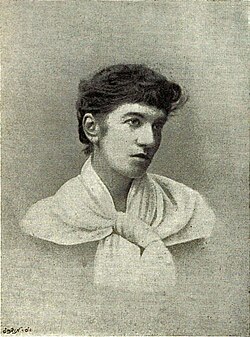
Her biography is interesting when considering her stories which deal a lot with the position of women in terms of money and livelihood at the time which she documents and considers. The daughter of a prominent doctor she came from a fairly well to do Irish family in Dublin. Other she first dabbled in painting (I have seen no evidence of it) she turned her hand to writing early and began trying to get published in her teens, including a novel at 15. One of the most interesting pieces of the tale is that early publication of her work caught the eye of an elderly Charles Dickens who not only encourage her but published her in one of his magazines and in a compilation with one of his own stories.

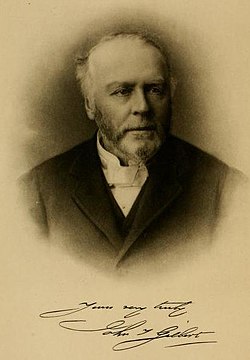
He bet on a good horse. She was very prolific with a list of upward of forty publications, mostly novels, to her credit. She wrote under at least three names I can find, Rosa Mulholland, Rosa Gilbert and very early on, Ruth Murray and seem to have published until a few years before her death and there was a healthy reprinting of her work which continues into the 1940’s. Gilbert is her married name – she married at the age of 50 to a well-known historian, Sir Thomas Gilbert, 12 years her senior. By marriage she therefore became Lady Gilbert.

If any of her writing was used for films I cannot find any evidence of it. I want to say that her books while very popular in Ireland and Great Britain they appear to have been less known here in the US. Really though the only evidence I have of that is that used contemporary copies of her books are mostly available in Britain.

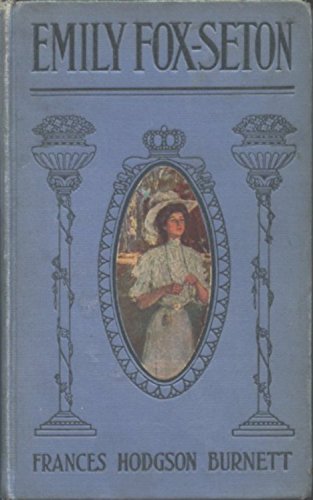
Much like some of the other women authors I have written about previously (for starters, the adult novels of Francis Hodgson Burnett which can be found here, one about Mrs. George de Horne Vaizey here and an earlier one on Edna Ferber here) she is writing about the changing values and culture evolving around women’s emerging role in the late 19th and into the 20th century. Of the above mentioned authors, Francis Hodgson Burnett writes a bit about the other side of the Atlantic and especially the influence of the more forward Americans who visit there – generally very wealthy ones at that. Mrs. George de Horne Vaizey also writes about Britain but is poised a bit later.

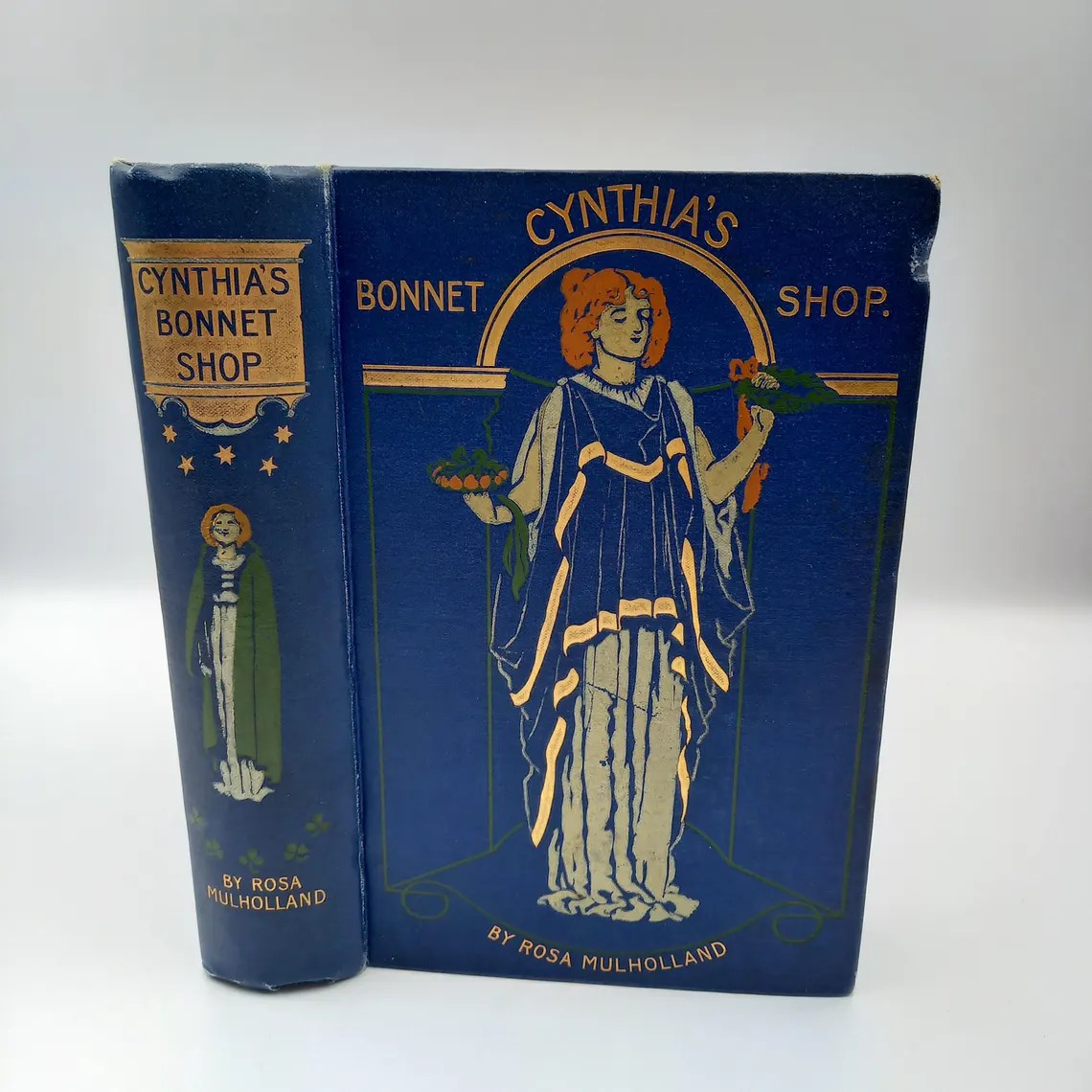
A pretty if damaged volume for sale. I am waiting for a less expensive but equally beautiful volume.

Mulholland therefore is a bit unique in her entirely Irish perspective and generally a bit earlier than the women above. She recognizes that there is a problem where women’s only option for survival is the money their family could supply in the form of a life-long bit of capital to earn and be spent down and the marriage they make. Therefore nascent attempts to work among them are plot points – smart and ambitious women (much like herself we have to assume) are trying to break the mold either because they have been left with no money or are a simmering genius whose talent must find an outlet.

For all of that and knowing of her own life she can be a bit hard on these women – perhaps as society at the time was and it was the feeling of the day. I have read three of her books to date and in Our Sister Maisie there is a younger sister who yearns to be an architect – much like the young Mulholland she even has some of her designs used when she is teenager. Against all odds she makes it to architecture school and, although it is a bit unclear, drops out just before completion to marry her wealthy and wonderful heart’s desire.

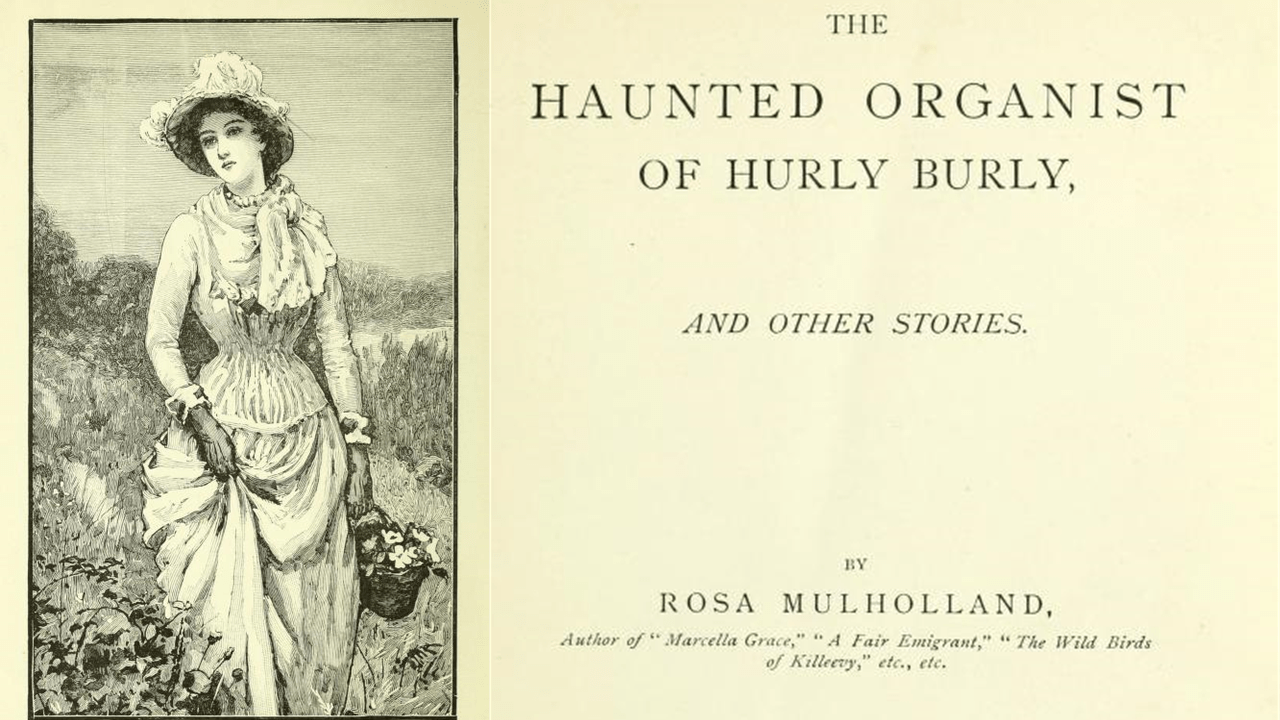
I don’t have this one yet either but great title and nice opening page.

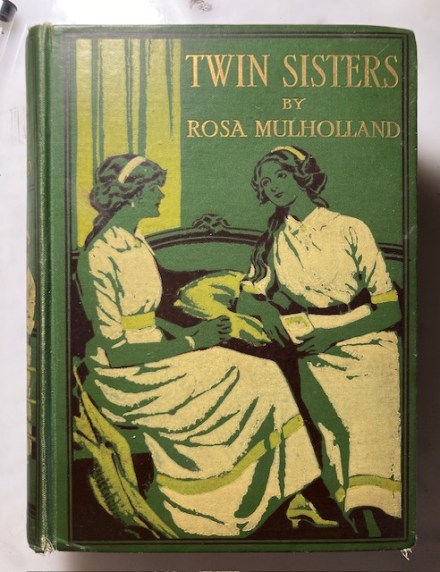
In a later volume, Twin Sisters, An Irish Tale published in 1913 she has a female character who, in charge of her late husband’s estate (it is thought of as her managing it for her son – as if she wasn’t also living off it in the meanwhile) invests aggressively in the stock market and makes but ultimately loses much of the fortune. She is criticized as having had no business trying to do the work of a man. But women like her are frequently left to their own devices and the heroine of the story arrives, along with her twin sister, in Britain from Spain as the wards of a family friend they never met. Penniless, the woman charitably agrees to help launch them into society and make agreeable marriages for them. Our girl Pipa isn’t having it though and takes work in an apple orchard in the country instead. Although she is roundly criticized for this, she is our heroine so needless to say she does the right thing – but of course she will end up with her best mate as well.

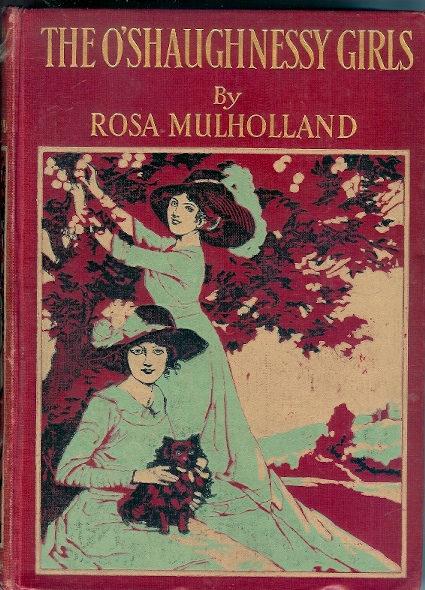
I’m also holding out for this illustrated version of this volume.

Mulholland’s books are a bit harder to track down than what I have enjoyed in recent years where there has been aplenty available online and in inexpensive used volumes. Rosa Muholland’s books tend to be beautifully bound, illustrated, volumes that are being sold at a premium because of that and despite the fact that there is not much demand to read them. Why more are not available electronically I cannot quite figure out. Perhaps she is just a bit early for for most people – or if the basis of those collections is based on American libraries and universities she may just not be in the right purview.

Clearly it would be a pity not to read this one in a beautiful illustrated volume like this one as well! Not in my collection – yet!

All this to say that while between the acquisition of physical volumes of her books, I grabbed one of her earlier works online and that was interesting and The Late Miss Hollingford was the story of hers, serialized in a magazine, that caught Dickens’s eye. Her descriptive powers were in greater force in her early writing, although her descriptions of the Irish country and seaside are also wonderful in Our Sister Maisie. The descriptions of the farm this young woman goes to live on are just cozy and great. (Yes, another orphaned girl-woman sent off to live with folks she hardly knows – this time her parents, who she barely knew, died of a fever in India leaving her a sufficient income although in reverse this time she is sent to live with people who don’t have money. The father was the perpetrator of a pyramid scheme and those seemed to be rampant at this time – I know the from the de Vaizey books among others!)

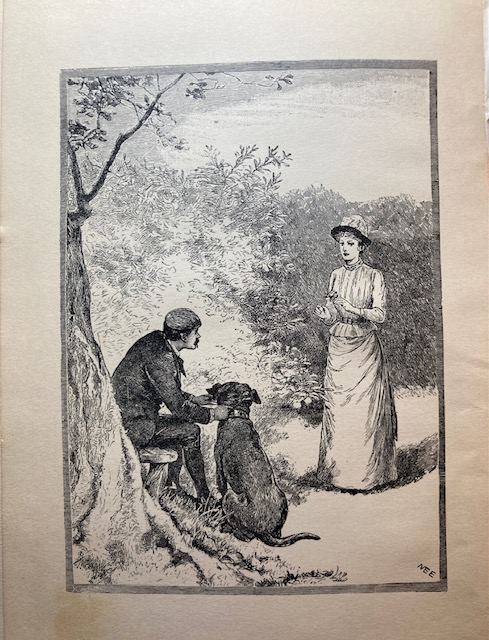
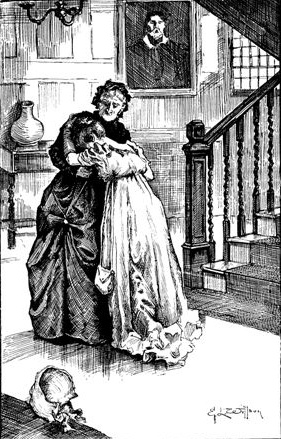
Illustration from the Late Miss Hollingford which I read electronically but with illustrations via Project Gutenberg.

I suspect there will be more to come on Ms. Mulholland and her writing as I am wading into the depths. I also suspect that Abe Books and others can expect to be seeing a whole lot of my pocket change in the near future. Stay tuned.

Doll House Drama

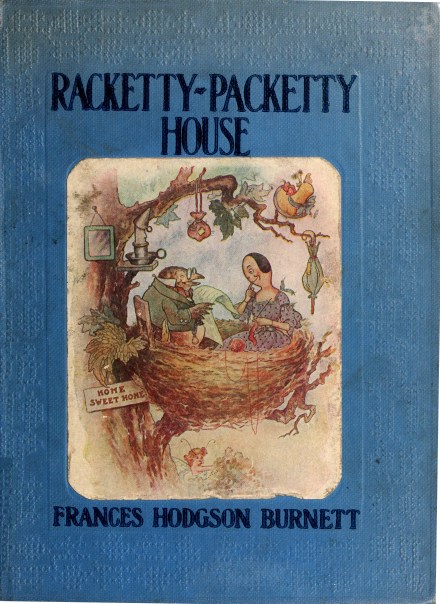
Pam’s Pictorama Post: As I scrape through the remainder of the available adult fiction of Frances Hodgson Burnett I am beginning to turn to the juvenile works. The first I picked up was one I had never heard of called Racketty Packetty House. In researching it I discovered that while I may never have heard of it the book has not been moldering in obscurity – there are more editions than I can count available online – ancient, new and all between – and it would seem it has been continuously in print since its inception in 1906. It is what I think of as an early chapter book for children, too long for a single sitting, novella length.

As I have written in prior posts, our gal Frances was prolific beyond belief and she was clearly churning out her popular juveniles while writing the novels and keeping magazines supplied with stories. (And turning all of the above into plays and ultimately films! My posts on her at this point are too numerous to list and all could be found by searching my site with her name however they start here and I discuss the films a bit here.)

I guess I should warn anyone reading this as a review that there are what could be considered spoilers in it so you may want to come back when you are done reading the story.

19537_rackettypacketty_ill2


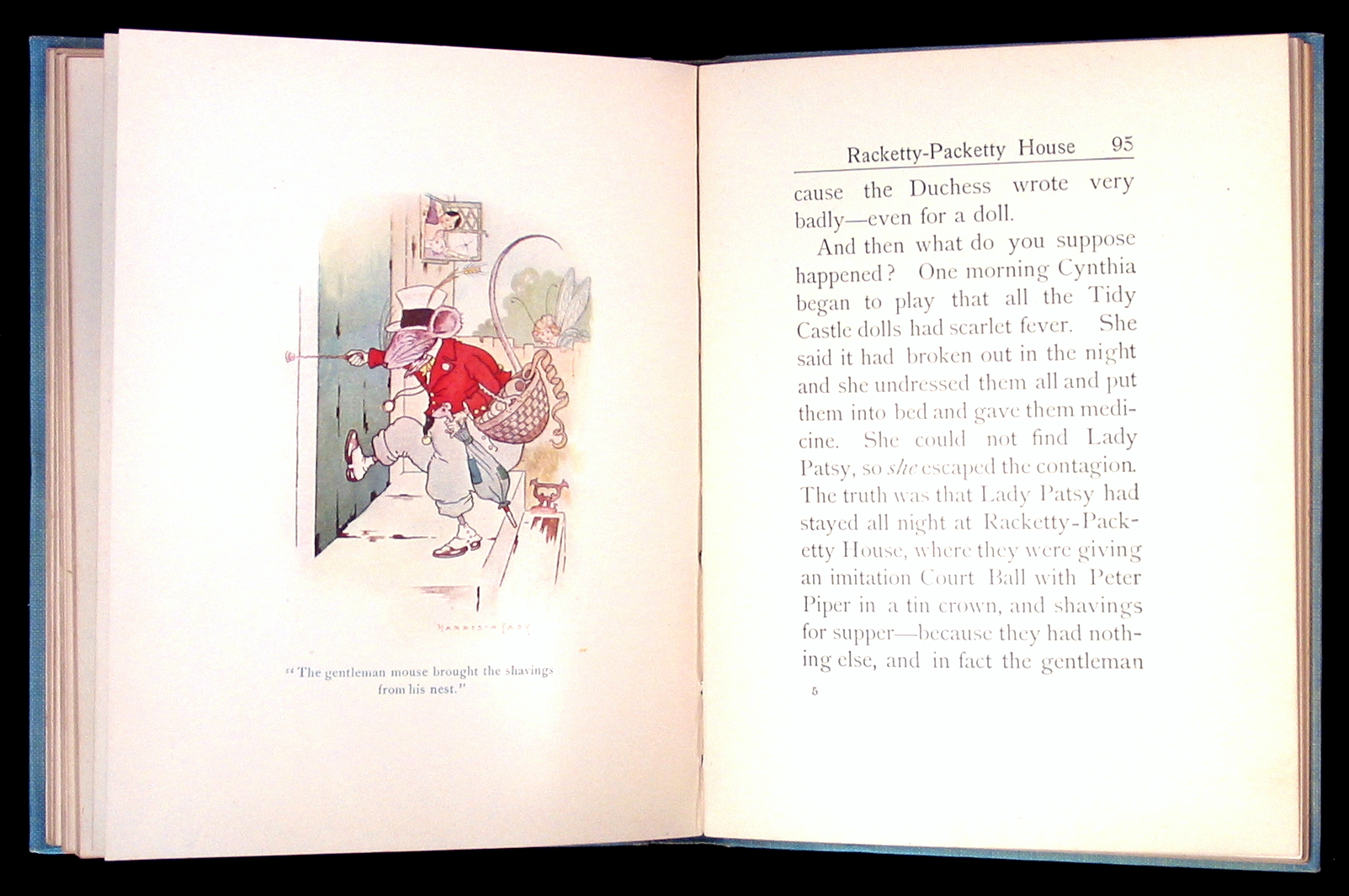
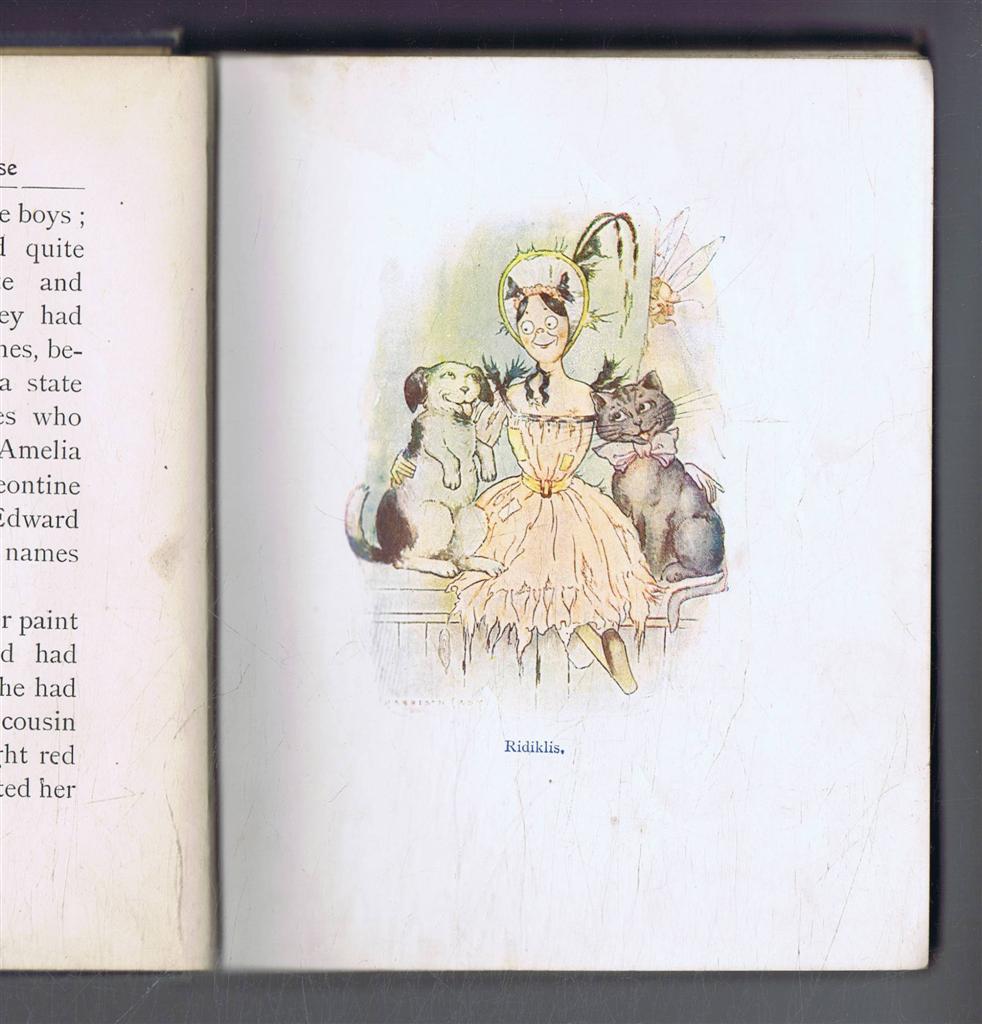
The book contains the ingredients of a children’s classic – anthropomorphic dolls and animals (I especially like that the family pets bring gifts and apologize for their youthful indiscretions of chewing on body parts and a mouse gentleman brings an offering of wood shavings for dinner one evening) with a princess and a few fairies thrown in for good measure. I read the electronic version (I downloaded it on something called Google Play) and was deprived of illustrations which impacted my experience of it. I think good illustrations could really help sell it and looking around online after the fact I believe this is true. (There are also some quite hideously illustrated volumes, with all due respect, mostly of more recent vintage.) I believe the illustrations I am sharing are from the original publication or at least a contemporaneous one in Hodgson Burnett’s lifetime. If the early editions were less expensive and I had more bookcase space I would want to pick one up.


10218011064_4

Ridiklis whose leg was chewed off by the dog and cat in their unbridled youth – friends now and they bring offerings such as string to the doll family.


The story is of two dollhouses in a nursery, a dilapidated old one and a shiny new one, the story told from the perspective of a watchful fairy as one is cast aside and shoved in the corner while the other takes center stage and the lives of the doll families within. The new dolls are snooty and look down their noses at the old, ragged dolls – these poor dolls however are jolly and know how to have a good time despite their indigence. The beautiful Lady Patsy doll shows up on the scene and she and Peter Piper (antic ringleader of the poor dolls) and she fall in love.

Funny how all Hodgson Burnett’s tropes are remade for this kid’s story! The poor but worthy (and jolly despite their poverty) find love and are ultimately elevated, financially, socially, in the end. (As I read online reviews this seems to be the primary gripe about her as an author – if you want realism you have gone to the wrong woman I say! I wrote about some of those tropes here and here.) Interesting to me is that she makes the human child owner of said dolls decidedly unlikable – she is a selfish nasty bit of business. Frances Hodgson Burnett did not shy away from portraying unpleasant children.

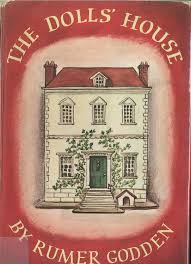
However, the real reason I decided to write about this story today is that I cannot help but feel that this story planted the seeds for two other significant children’s stories. One I have written about previously and is called The Doll’s House by Rumer Godden. (That post can be found here.) Godden’s book, a similar chapter book for about the same age group, is a classic in its own right. There is a striking similarity in the lives of the dolls and the in-fighting and rivalry between them. That book has a horrific fire in it and the image remained stamped on my memory for years! (Another hugely prolific author, she wrote the book the film Black Narcissus was based on.) The threat of fire hangs heavily over this story as the Racketty Packetty home is perpetually being threatened with being burned as trash and is only saved on several occasions by the hard working fairies.

download-2

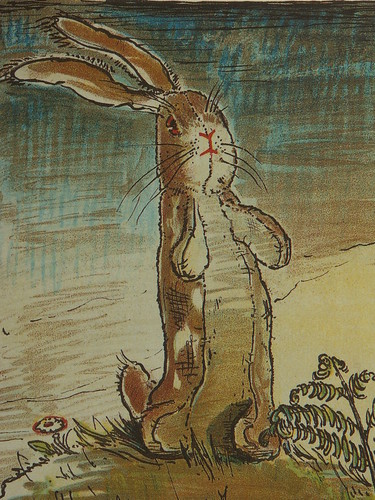
This leads me to the second and more famous story I am fairly certain found genesis in this book, The Velveteen Rabbit. Several key elements make me feel that Margery Williams had this story in the back of her mind when she published it in 1922. First there is the old much-beloved toy versus the new toy/s story-line which is integral to both books. Then there is the rather specific plot device of scarlet fever – in the case of the velveteen rabbit it is how the rabbit meets his corporeal end after helping to nurse the boy through the illness, and in this volume it is the wealthy dolls which all fall ill with it after the irresponsible child in charge gives them all scarlet fever and does not trouble herself to make them recover. They are in turn nursed by the poor dolls and become friends after that. Margery Williams throws in a fairy at the end to help out as well.

5412917091_636fed285f.jpg

From The Velveteen Rabbit, original illustration by William Nicholson


Unlike these two latter stories, Hodgson Burnett stops short of the indelible horror of the toys being burned as is the denouement of the other two books. (An image of the celluloid doll catching fire in the Godden book may have inspired my overall fear of the frailty of celluloid which I once penned a post about here. I didn’t read The Velveteen Rabbit until I was an adult but am quite sure it also would have scarred me for life.) Instead her toys are rescued by a visiting princess – a very Burnett ending indeed.

Reincarnation Stories: A Very Biased Review

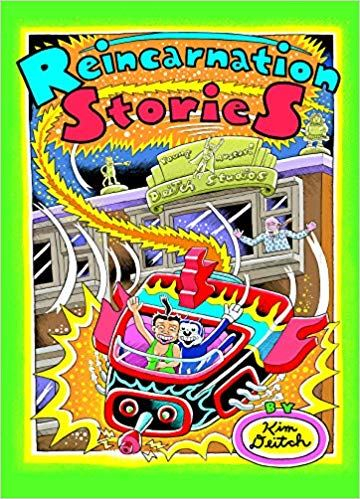
Pam’s Pictorama Post: Yesterday I kicked off my thoughts about Reincarnation Stories by taking my readers down the road of my bird’s eye view of how Kim makes his comics. Today I get onto the all important discussion of the new book at hand tackling it both as an uber Deitch fan and, well, a wife.

******

Kim did a preview gig for Reincarnation Stories with Bob Sikoryak’s Comics Carousel a few weeks ago and I was surprised to have a good look at some of those pages again and on a screen for the first time. I was also surprised at how visceral my reaction was to remembering the opening scenes where Kim is recovering from his eye surgery. I literally could smell the dreadful hospital smell again and how afraid I was that the surgery wouldn’t work – and how awful it was to watch Kim in the chair, head down for more than a week.

I knew he wasn’t sleeping which also seemed like torture and I felt bad that there were few if any ways I could make him more comfortable. Having said that I pretty much had to help him with everything (a service he repaid more than in full when I had foot surgery a year or so later and was confined to bed for weeks) and our best discovery was that he could watch movies on tv if he was in a certain position and used a small mirror. Reading, surprisingly, was somewhat possible for him but in general it was hard to concentrate. Frankly, it was a miserable time – so odd to have it all rush back. However, as always, it seems he used the time wisely and it was the genesis for this book.

DtGnS0iXQAErmmG

The chair, which you rent after this eye surgery which, of course, requires assembly upon delivery, is sort of an instrument of torture although a definite necessity. It stank of disinfectant and hospital plastic.


Having said that, the glory of the pages was totally fresh to me seeing them on the screen. So many eyeball kicks! So much to look at! The introduction seemed new to me again (despite having lived some of it) and my fan self was immediately sucked in. When I then sat down and opened the book to start reading it again and I am struck by the density. It is satisfyingly thick – a really big dollop of Kim Deitch, unlike any serving of his work I remember receiving in one sitting before. Although I was there for every step of its creation I am struck by this and the fan side of my brain whirs with excitement. The drawings are reproduced at pretty much an ideal scale and this is delightful as well.

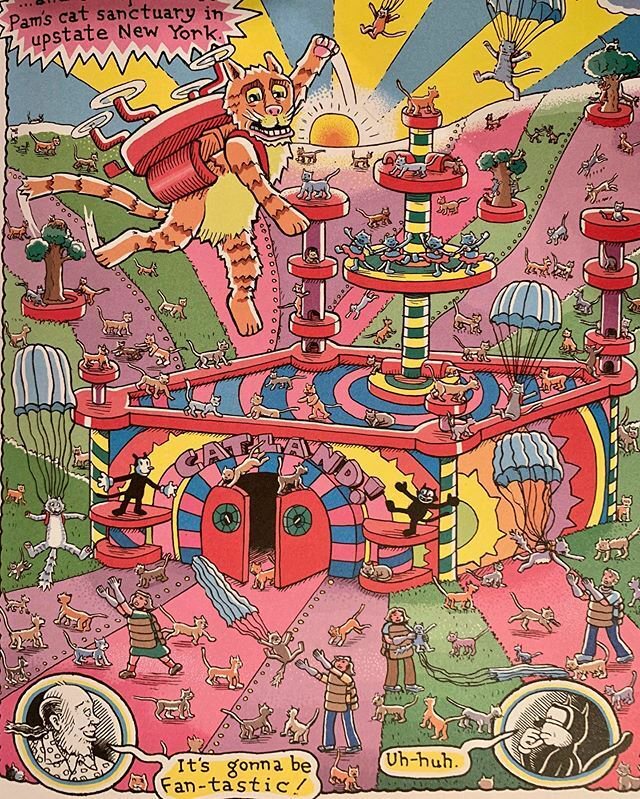
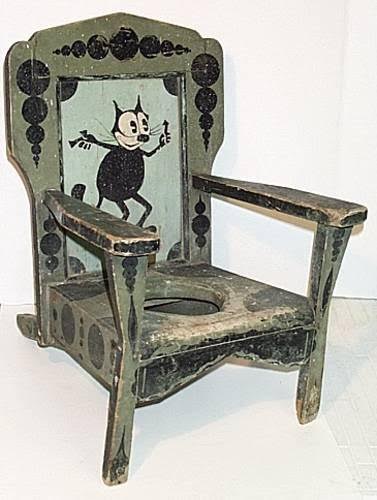
I am realizing now that sitting down to write this is in its own way a pretty Herculean task, there is so much and the themes (mortality, the meaning of life and creativity for starters) are so huge. How not to stroll endlessly through – the color section of my toy museum alone could be the subject of a blog post and perhaps will be in the future. (The Felix the Cat potty chair is real folks although I do not own it – and for that a shout out to our friend Mel!) It is the strange actualization of Kim mining my obsessions and personal mythology which is of course pretty amazing for me to see.

unnamed-1

Photo of Felix potty chair as supplied by Mel Birnkrant


EHBYiskWkAI_8eb

This is a delightfully Deitchian color page!


The beginning of the book spends a lot of time with a young Kim and while it is obviously a somewhat faux Kim it is sort of wonderful for me to contemplate a kid Kim visiting the monkey diorama (The Shrine of the Monkey Gods being one of my favorite Kim Deitch story titles of all time), discovering the Plot Robot, meeting Jack Hoxie on a family vacation with younger brother Simon and baby Seth. Family lore, real memories (for we all know the general litany of our spouse’s stories and I know where Kim’s fit) and Kim’s persistent personal mythology and vocabulary (silent and early sound cowboy films, traveling carnival shows, biblical apocrypha) mix and meld in these stories.

Meanwhile, almost unconsciously, the book has an undercurrent that persistently carries us gently, but decidedly, along on a tide of certain themes and to an ultimate conclusion. The most prevalent theme is about the place of art and creativity in the universe and the value of putting something good out in the world. The other is about somehow relating to and considering a universe that cares (at least a little) and what our place in that universe is. The Hidden Range story, Jack Hoxie’s own biography and what he took from his somewhat tragic childhood, Young Avatar (Kim striking it rich by putting Jesus his own comic as a super hero in an alternate universe), a young Kim and Spain taking a creative page or two from the Plot Robot in a pinch – these all boil down to a lesson about making a positive contribution in the world. Live right, entertain, contribute – simple but all important goals.

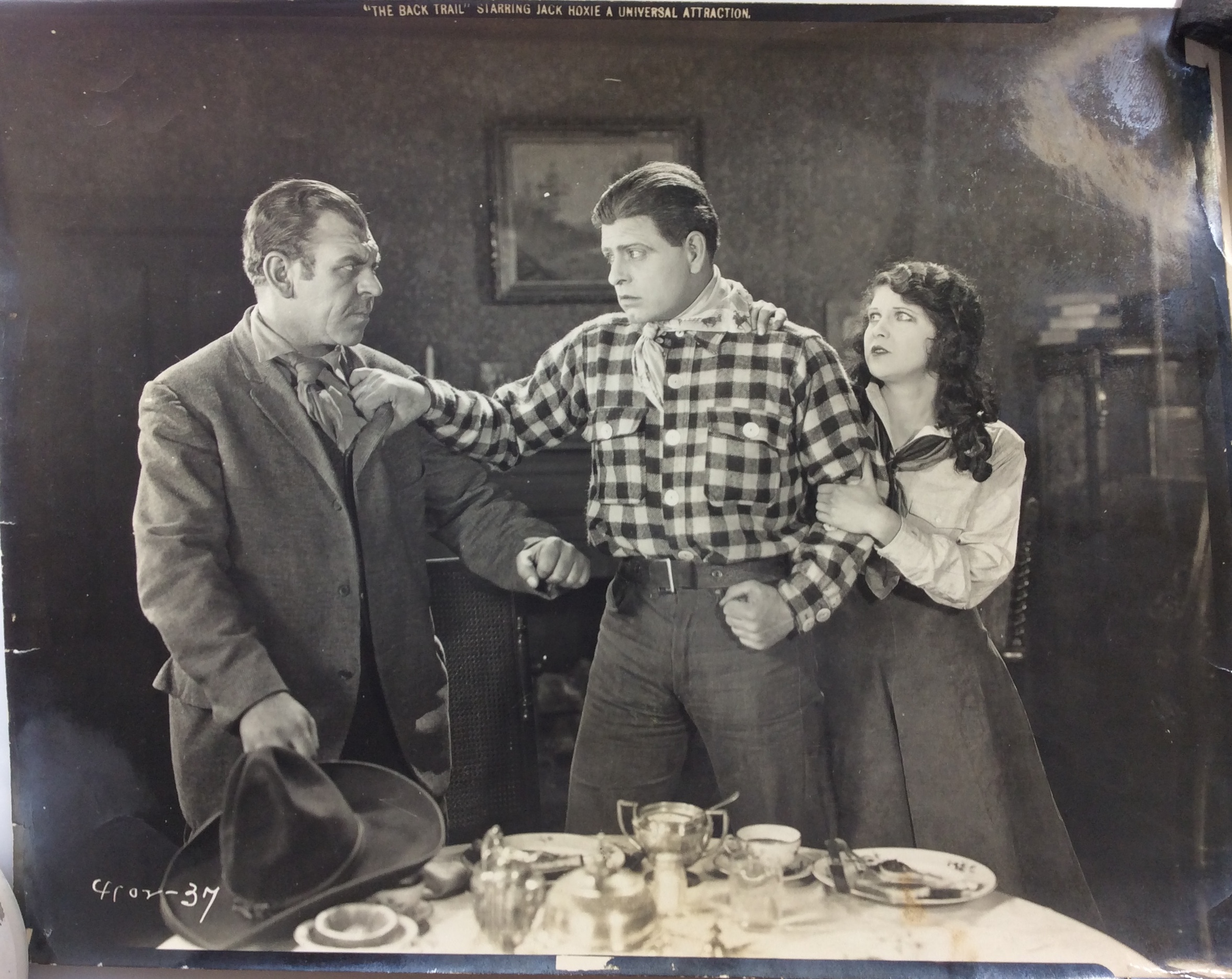
jack hoxie

Detail of a still from The Back Trail which Kim uses in the Appendix. (He adds that this film is available on DVD – in case you are wondering!)


Even I was fascinated by the extravagant Appendix as it grew like topsy. That there would be an Appendix was clear early on – that there needed to be an opportunity to provide some real life background on Jack Hoxie and Buck Jones. Their personal histories and mythologies are now faded over time and Kim knew he wanted a place to bring them back to life. However, that it would burgeon into more than forty pages was not immediately evident. (It was even a bit alarming – how long would it stretch on? Um, honey, is this maybe another whole book?) In retrospect, it is not only some of the most entertaining stories in the book (Kitten on the Keys, Who Was Spain?), but it serves to tie it all together.

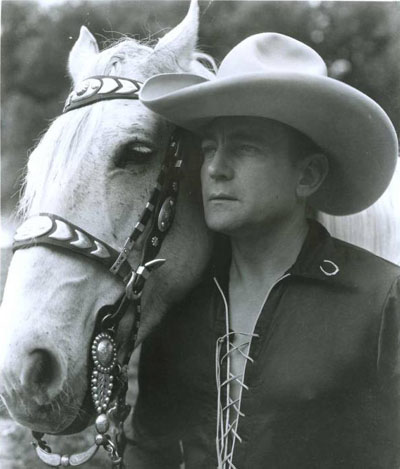
buck-jones-and-silver

Buck Jones and his horse, Silver


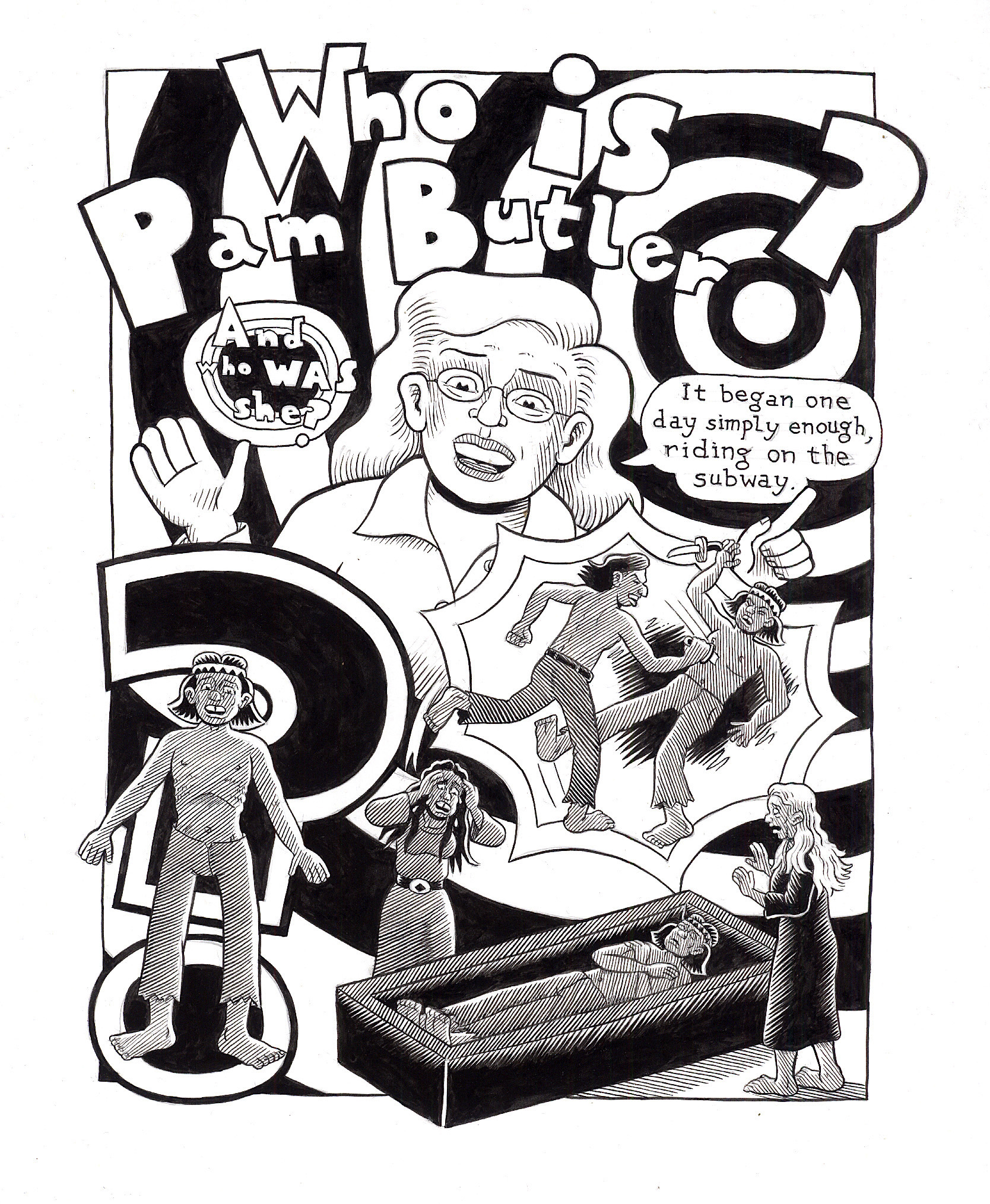
In looking it over I am undeniably pleased to find my own small contribution at the back – longer than I remember it being, illustrated at the start by Kim. It is my personal reincarnation story – one that has taken frequent turns at dinner parties and other occasions when I am called on randomly to sing for my supper – or when the subject of past lives comes up for some reason. I published that story in this blog while the book was being prepared for publication. You can find that post here if you missed it.

20180526-00012


I will say that I have a somewhat complicated relationship with Waldo which in some ways resolves to a degree in this book, with his granting that my toy museum has its points – perhaps I am not all just a piece of cheese! While I started life as a Waldo fan, I will say living with him is a bit different than just seeing him on the page and as with all having to do with him, perhaps the less said the better. But Kim’s relationship to his maniacal muse balances out the end of the book and in a sense, Waldo’s cynical world view almost gets the last word – without being a spoiler, I will just say Kim snatches it back at the very end.


Of Tropes and War: Part 2

Pam’s Pictorama Post: Picking up where I left off yesterday, today I tackle what really made this recent Frances Hodgson Burnett read a bit different, the description of a WWI Britain. I am a bit fascinated with a lot of contemporary fiction which covers the period between the two world wars in Britain. It is an interesting slice of time as people recover from the horrors of WWI and then, in too short a time, the foreshadow of the second world war rapidly creeps over them. Conceivably many of those men who survived the first war had sons in the second and that alone is too horrible to really contemplate. This novel is an eloquent reminder of the reality of that war.

The sequel to her book, The Head of the House of Coombe, Robin occupies itself entirely with the war, the main male character of the story having been marched off at the end of part one, this second half takes place during the war which is central to it. There are things that surprise me about this description. Perhaps because it is so close to the actual events there is a vividness to the descriptions that I have not read before.

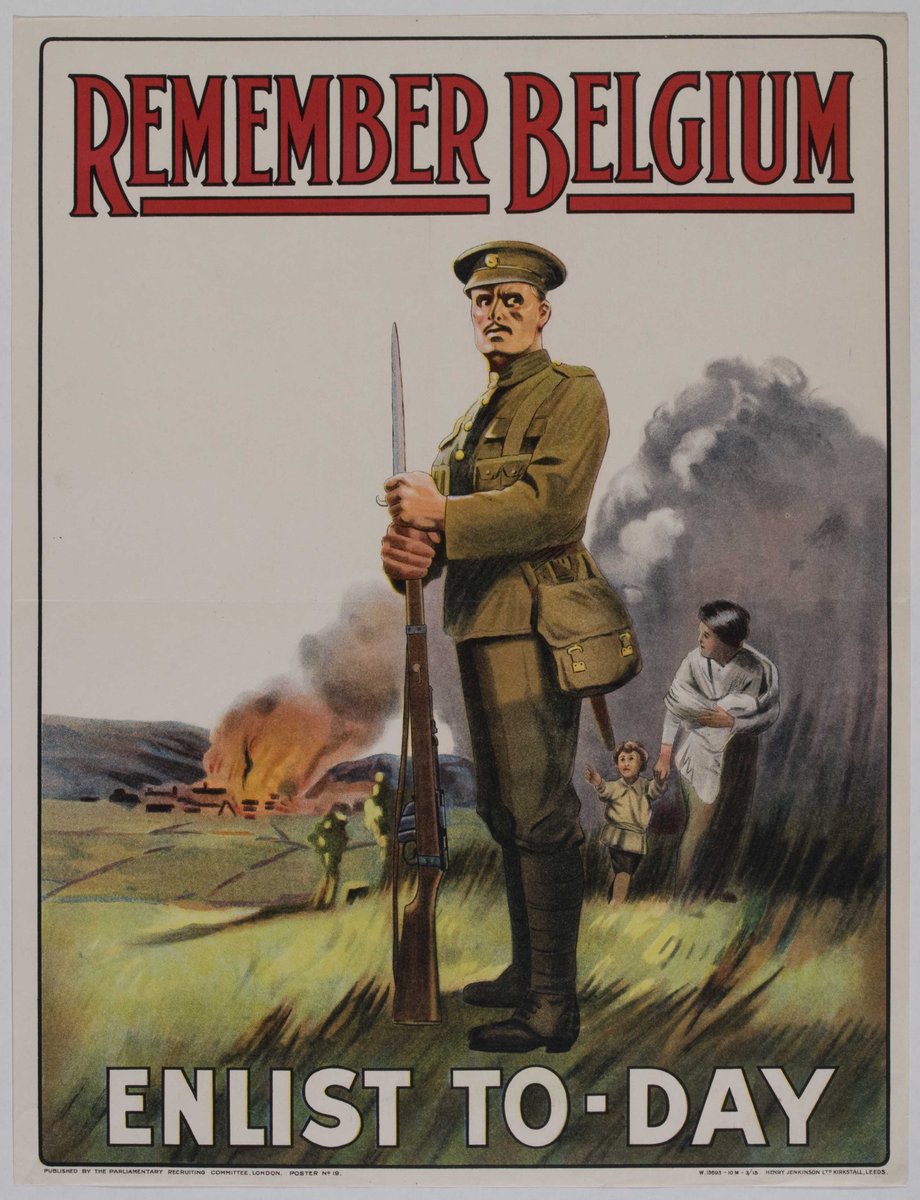
The horrors of the pillaging of Belgium is graphically described and a central motivation for young Brits, even from the wealthiest families, to join up. I was well aware that part of the horror of WWI was because of the brutal mix of modern warfare with what had sufficed for ages before – men killing each other on horseback and in hand to hand combat. Now men on horseback and fighting with swords were being killed by mechanized weapons and bombs from the sky. For all of that somehow the kind of on the ground rape and pillage that went on in a more Genghis Khan fashion had escaped me.

CpAXCkJXEAAQCRp.jpg

The cynicism of the British nobles about the Americans and if and when we would enter the war was also enlightening. Would the United States only enter if it was of economic value to us? They desperately needed the Americans in the war and as we are aware, for a number of our own reasons that commitment was not so quick to come. This was hugely frustrating and even terrifying for them.

Remember also, Hodgson Burnett had deep loyalties to both countries – that of her birth and the country she adopted as a teen and subsequently lived in most of her life and that conflict plays out here. I assume Burnett, in the final years of her life which were spent living in Westchester, did not see or experience WWI London firsthand. Perhaps these vital descriptions came from accounts from friends and newspapers of the time or maybe she did travel back shortly after.

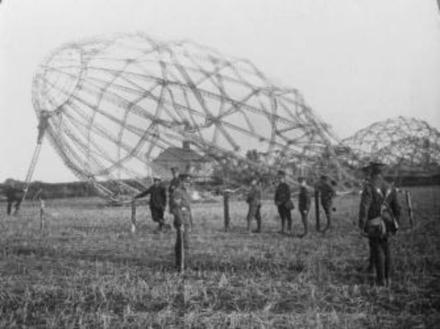
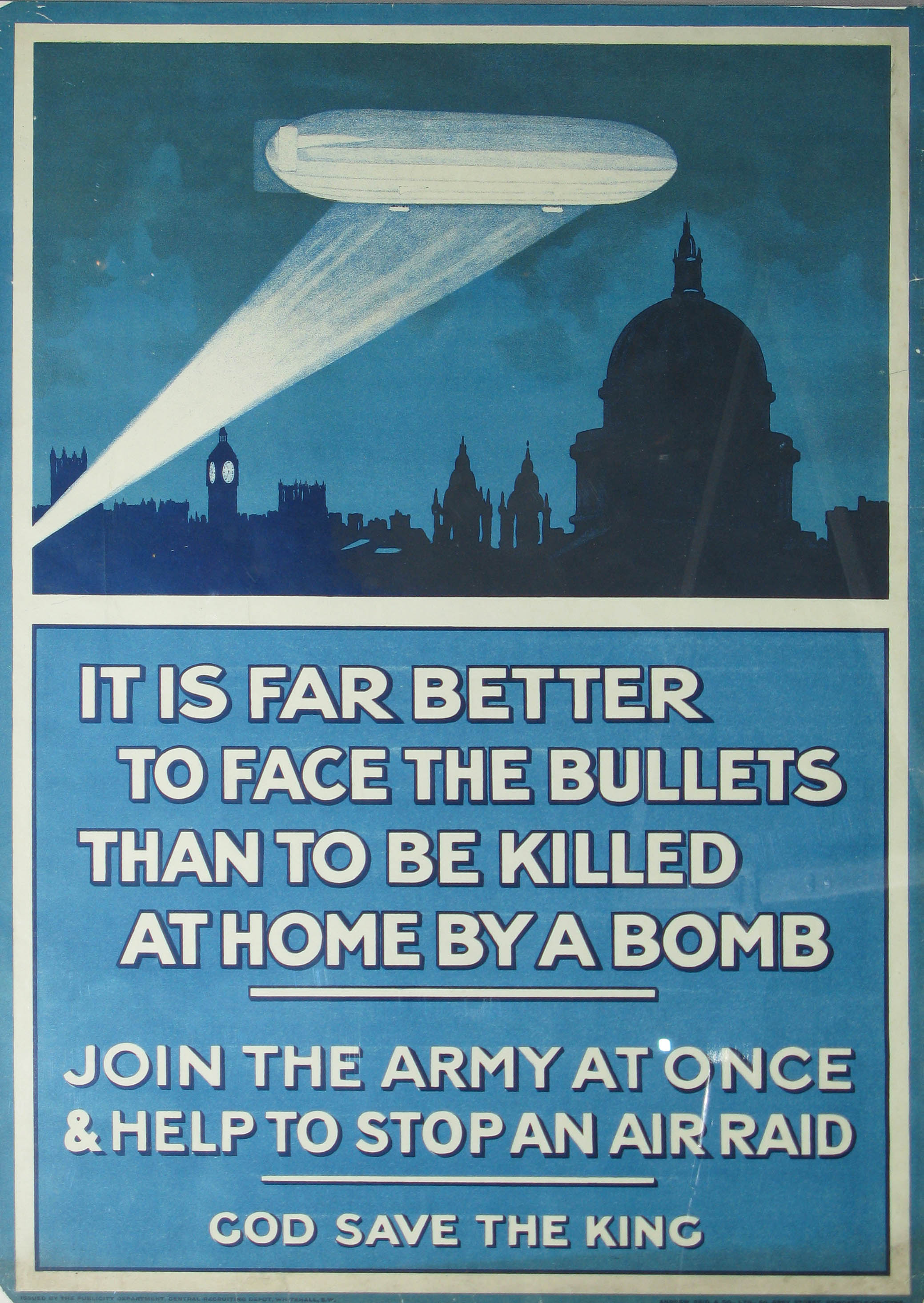
Finally I was surprised to read that, much like those folks who brought picnics to watch the first battle of the Civil War, there was a practice of going up on rooftops to party while watch the zeppelin bombings on London. Ultimately this ends badly in the novel (as I assume it must have in life) and a brief but horrific plot point turns on this event. There is a description of random body parts being found in the street after, only a hand left to be found and identified, that had a realism which was also chilling.

hith-london-wwi-zeppelin-terror-poster-wikimedia.jpg

I did know from other reading that the bombing of London during WWI was as devastating as that of WWII and again one is stunned thinking about a certain sandwich generation which experienced bombing during both wars fully.

Worst of all were the descriptions of the German prisoner of war camps however. One assumes that a few years after the war these stories were finding their way out and Hodgson Burnett shocked me with some of them.

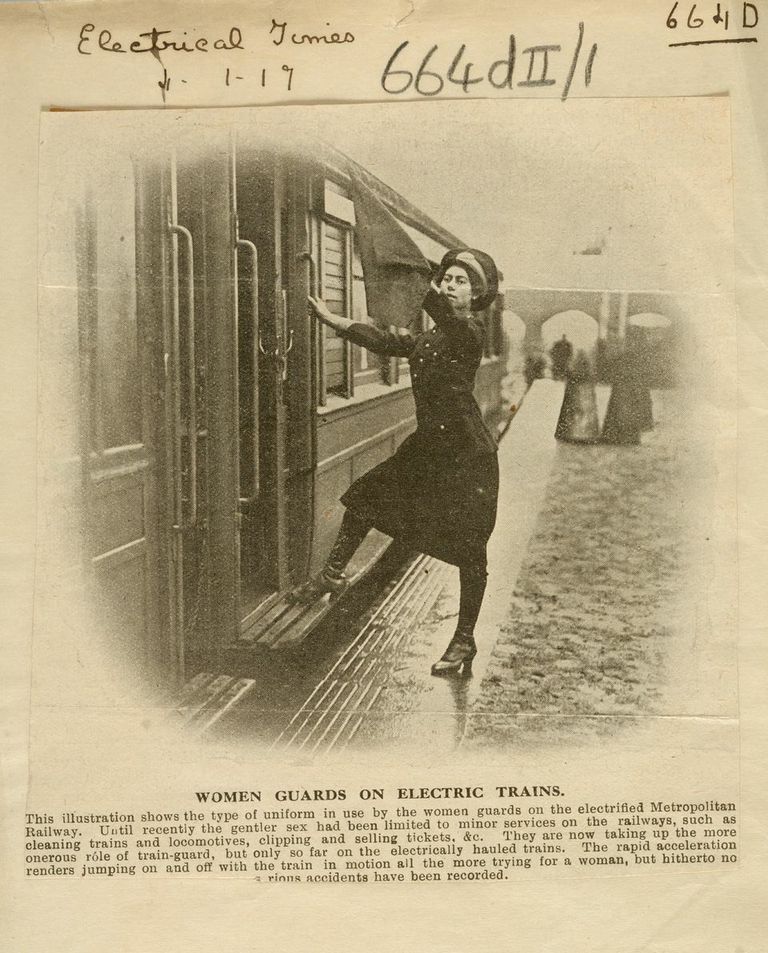
To me it is of interest that even at the end of her life, Hodgson Burnett was still delivering these very contemporary stories. A few decades before her stories described the emerging 20th century world – where travel between Europe and the New World became accessible to all and the role of women was rapidly emerging. (I have written about the emerging 20th century woman in her novels here.) As in WWII Britain, women took on all jobs at home during WWI which is also described in this novel. She also recognizes that sweeps many of the remaining social constraints and conventions for women aside.

6SdBbMDgiZ_HmzUeuzaNYTZpQhqlk4adGZTZxNPTpBE,9mNWrSn4wCr8GyT2ITRFhlJgQJeG1uz0pX6bEEHuMx4,tpp20Ucl9g7GMQmJyfiJFfME6r2IfQ42whT1iPAQ-8c

Knowing that the first half of this novel, filled with the aforementioned tropes of pining romance, rags to riches plot and unearthly communion (as outlined in yesterday’s post found here) was hugely popular in the United States I do wonder about the reception of this second half, originally published on its own the same year. While the first half is all flag waving for the war, this second half contains all the cynicism and pain. Somehow she wrapped all these things together and tucked them into one final novel.

Frances Hodgson Burnett, Part 2: the Grown-up Books

1037489477.0.x.jpg

I just purchased this gorgeous volume of Hodgson Burnett’s auto-bio of her childhood


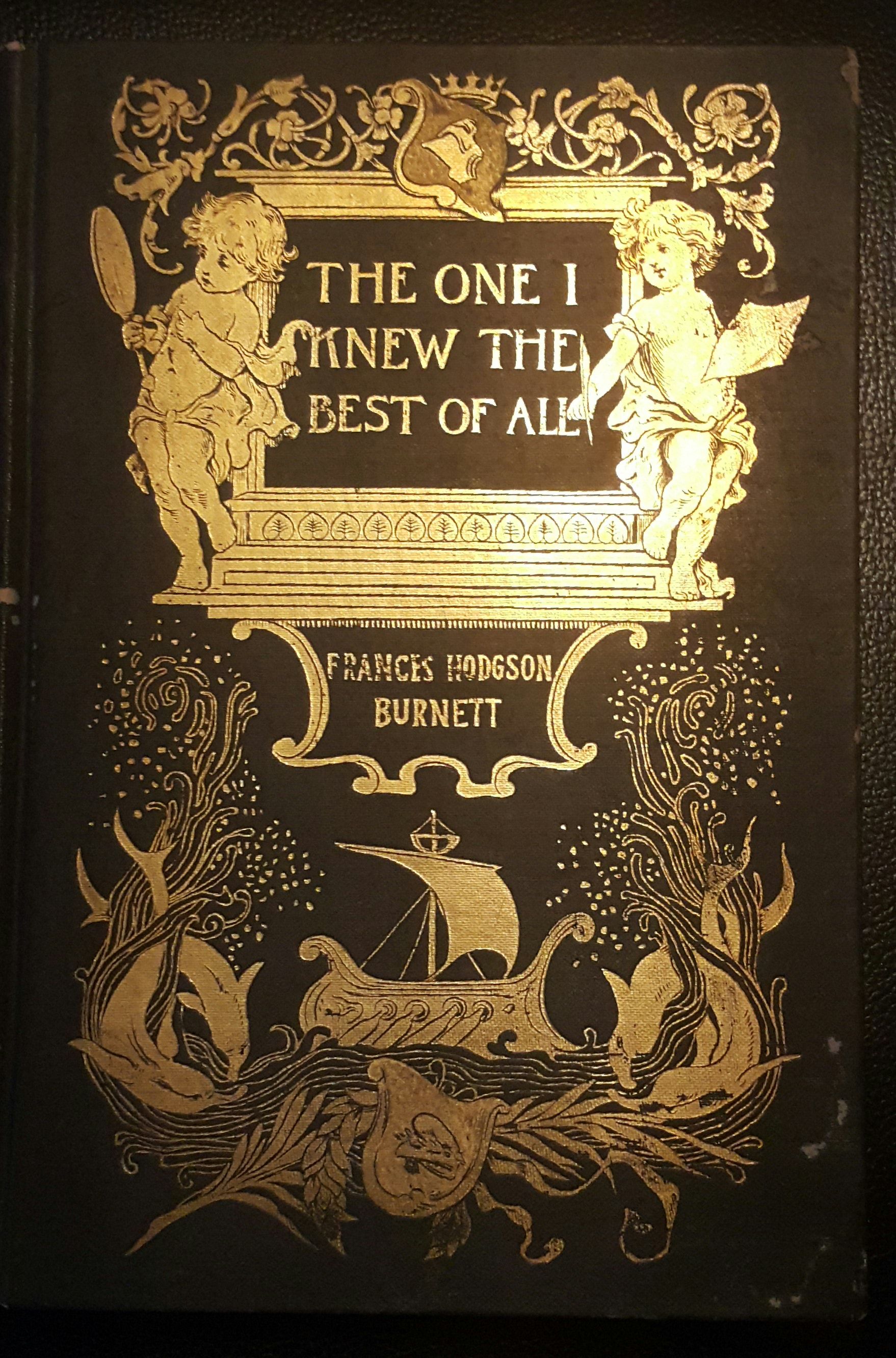
Pam’s Pictorama Post: Returning to last week’s post (find it here) on the author Hodgson Burnett, largely known for her children’s fiction, I have been exploring her adult work which pre-dates as well as running concurrently with her now more famous work for children. I have been reading them via Project Gutenberg, a resource for free, online publications, generally those obscure or early works that have fallen out of copyright. I am enjoying supplying you all with the sumptuous covers of these books since I have not seen them myself before.

Burnett was born in Manchester, England, but moved to Tennessee when she was about 15. Like many of her novels and short stories, she moved between these two worlds, annual trips when funds allowed later in life, although she appears to have lived the larger portion of her life here in the United States – dying in Nassau County, New York and buried there. Her personal fortune also bounced between extremes, although ultimately her writing secured her and her family’s financial security.

Without knowing a lot of the details, the dramatic episodes of her life must have made up some of the color and storylines of her writing. She lost an adult son to consumption which plunged her into a prolonged depression which had already been a feature of her adult life. Her other son also fell quite ill but she was able to nurse him back to health. While her writing is not obsessed with this sort of Victorian illness, people are consumptive or die of other wasting illnesses – however, in all fairness, that was the real world she lived in.

7c7ffb310144edec9861564d3f4db8c9

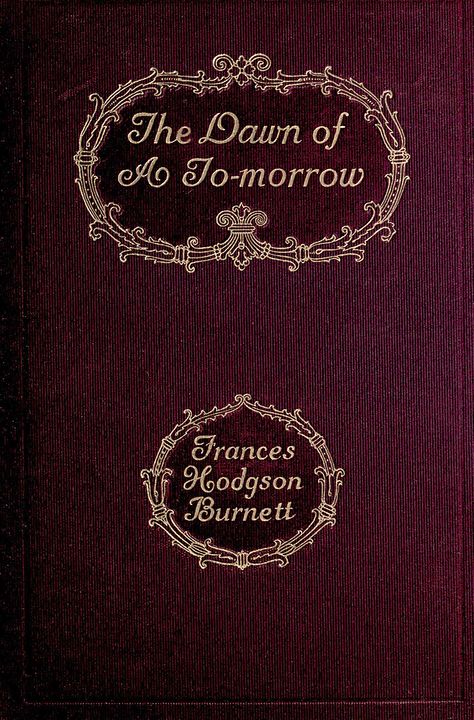
Eventually she divorces her husband, marries another man, but that marriage only lasts two years. (The details of this are a tad torrid and somewhat like one of her stories – he’s an actor who may have been blackmailing her, she ends up in a sanatorium with a nervous breakdown after fleeing to England.) Somewhere in there, in the 1880’s she also finds religion – a theme which does permeate her writing but only occasionally a key element. Her interest in Christian Science, Theosophy and Spiritualism do color her later works. In particular The Dawn of a To-morrow, a short novel or even really a novella, is one of the few that goes deeply down a rabbit hole of religious subject (with a heavy dose of Spiritualism), but in a way no less entertaining than her other stories. (I was riveted reading it on the subway a few weeks ago.)


50ccd2442d0b3f9916f9d1ece7e86d55--antique-books-vintage-books.jpg


Frances Hodgson Burnett referred to herself as a writing machine (a sentiment shared by Louisa May Alcott who also wrote for her family’s security) and she was wildly prolific. She wrote for the magazines of the day including Godley’s Lady’s Book, Scribner’s Monthly, Peterson’s and Harper’s Bazaar among them. Once she started writing for children, those stories resided in magazines and compilations in addition to novels. Stories such as A Little Princess and Little Lord Fontleroy appeared first as short stories under similar but different titles, and then once their popularity was clear, grew into their longer novel formats. 

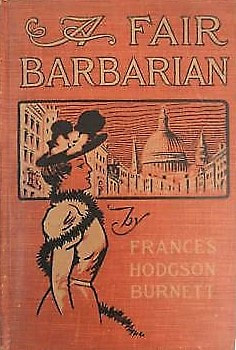
Both the juvenile and adult works were turned into plays and then films. A clutch of her early novels were adapted to movies in the mid-teens but sadly now appear to be lost – there are a few I would be very curious to see. The ones that are known to exist are going onto my must-see list to dig up including The Dawn of Tomorrow (1915 and a real weepy), The Flame of Life (1916, based on A Lady of Quality) and The Fair Barbarian (1917, one I just finished reading). Films based on her books are still being made today, in several languages.

frances-hodgson-burnett-a-fair-barbarian-1901-intl_orig.jpg

Like Edna Ferber (who I raved about in my post Fervor for Ferber which can be read here) Frances Hodgson Burnett revels in character development. Also like Ferber she zips between the various classes, detailing both with equal capacity. It is, in a sense, the divide between classes and their interaction that moves most of her stories. In Britain, social mobility, even with money, is notwithstanding. You are either born of a class or you are not and money (or to some degree lack thereof) does not really change that. People of the working class who come into money are still of a different class. Titled people, even if impoverished, still hold their social standing at least in a sense.

41U7gjZ5b-L.jpg

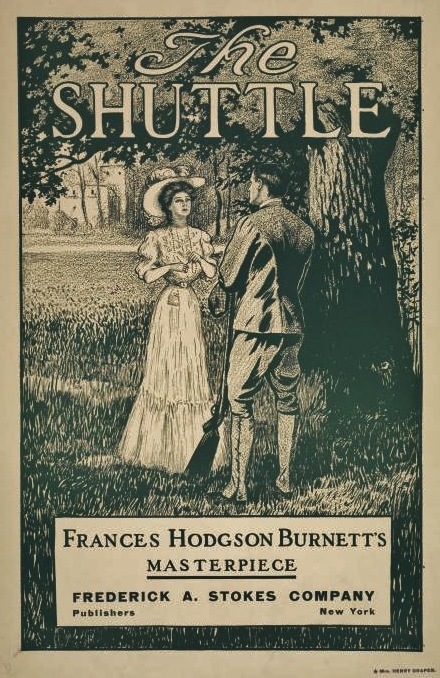
However, Burnett was documenting a world that was rapidly changing, an evolving society which allowed for more financial mobility. A number of her stories concern the invasion of waves of hugely wealthy Americans in Great Britain. Two of my favorite books take on this theme, The Shuttle and T. Tembarom. (Please note that, in my experience, somehow the books of hers with the least appealing titles turn out to be the best. As it is hard to get descriptions of the more obscure books I think this is helpful to know.)
 

51Sig0JyjaL._SX362_BO1,204,203,200_.jpg

Americans of all classes invading England once a thriving liner industry was established and the cost of that trip diminished as frequency and demand increased. Even the American working class was saving up and able to make the trip to Europe and England. Suddenly there they were, everywhere – riding bikes, touring and taking in the historic sights, marrying impoverished gentry and renovating their lands and historic homes. I had not been aware that this kind of travel expansion was happening in 1907 and that the American working class was taking full advantage of it – nor that it was a boon financially to Europe and England, although shook their tree socially as well, so to speak. Evidently the large influx of newly minted American money was without question sought after, while the brash personalities barely withstood. Newly minted millionaires were evidently mad for titles and married their progeny off to titled Europeans and Brits for this sole purpose.

A Fair Barbarian takes on a young girl visiting a relative, her father’s sister, in a small town in England. The father has made millions in silver mining in Montana. The elderly aunt almost faints when she hears that the girl spent part of her youth in a silver camp called Bloody Gulch. As a young woman of the upper class England wouldn’t even say the word bloody the aunt pleads with the young woman never to say it again. The young woman, understandably, looks confused and explains that it was the name of the place; it was not she who named it.
the-shuttle-book-poster-frances-hodgson-burnett


One of my favorite characters was teased out in The Shuttle (1907). Not a main character, but a very well defined one, of an ambitious, fast talking, young typewriter salesman who had been orphaned and fought his way to modest success selling typewriters, allowing his bicycle trip through England. He is critical to the plot in one book and is referred to in another and is completely delightful. At first English gentry don’t know what to make of brash Americans like these (the typewriter salesman speaks with the most amazing American slang of the day), but they turn out to be such very likable people that most warm to them over time as the stories unfold. The theoretical social mobility and unconsciousness of the modern American at the turn of the century was standing England on its ear.

Even Hodgson Burnett and her gilded rags to riches stories did not believe that total social mobility was possible in her time, in either country. Nor did she ignore the impoverished who would not find an economic foothold to hoist them up the ranks. It is clear that it was only a few who fortune would favor.

I plan to round off my enthusiastic commentary on Frances Hodgson Burnett in a subsequent post, with a nod to her female characters who, even when they are not the main ones, control the action and storyline of every one of her books. Stay tuned.


Frances Hodgson Burnett, an Excellent Read

IMG_2380

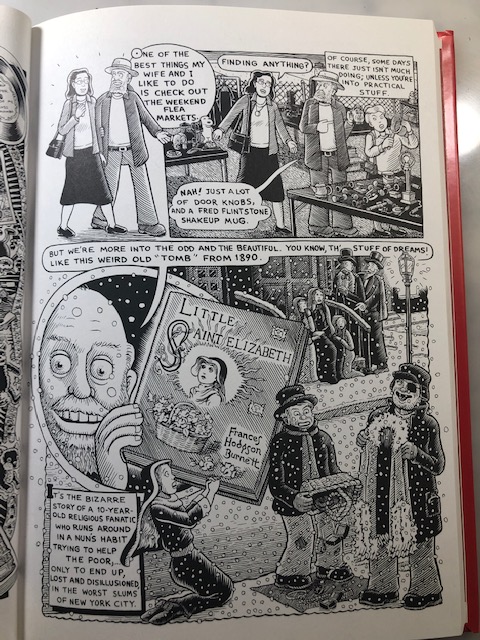
Kim drew Little Saint Elizabeth into this illustration in his Alias the Cat!


Pam’s Pictorama Post: In some ways it is crazy to think I can tackle this subject in a blog post so I will start by saying, this is a warning shot over the bow – I am just skimming the top of very deep water indeed today with an expectation of subsequent entries.

As the author of childhood favorites such as A Little Princess, The Secret Garden and Little Lord Fauntleroy we all know Frances Hodgson Burnett and the classic films (and many remakes) made from her stories. I read them as an adult and especially loved The Secret Garden. As much as I liked the film, the book had much more flavor and depth.
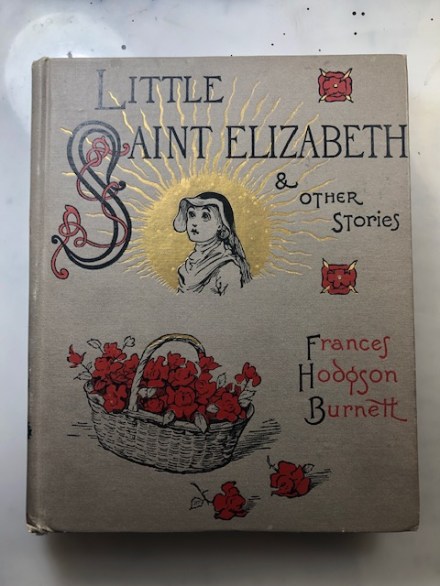
I had not however given these stories or her much thought in years however when Kim stumbled on and purchased Little Saint Elizabeth a beautifully illustrated volume of stories, ostensibly for children although the title story is a bit gruesome and had a similar, appalling ending to Anderson’s Little Match Girl. We found it at the now mostly eradicated flea market on 24th Street here in Manhattan. He purchased it for very little and we considered it quite the score.

IMG_2381

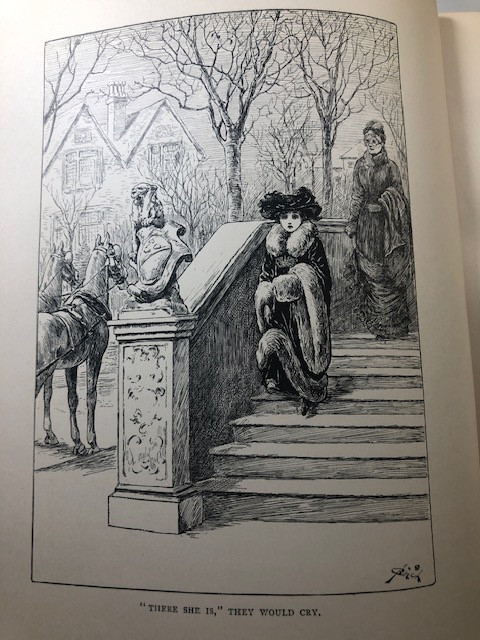
From the story Little Saint Elizabeth


Somehow it did not inspire further digging at the time and it wasn’t until a few months ago, while whining one night in bed about a delay in receiving my next volume of the Judy Bolton series to arrive (future post about that series pending there), that Kim suggested I poke around Burnett’s adult fiction. (May I just take a moment out to say, you really do want to marry someone who is going to make helpful, smart suggestions like this. I do think it is the very best part of being married and no one thinks to tell you that. Choose wisely I say!)

Thanks to Project Gutenberg this could be accomplished with great alacrity, at the speed of a download. For those of you who have yet to be introduced to it, this is a magnificent site it is free downloadable books and stories, generally focused on early works which are out of copyright. This leads to access to many of the more obscure and hard to find works of early authors which would be prohibitively expense to purchase to read, even if you could find them. I read many of Edna Ferber’s short stories from these downloads.

While in general I might say I prefer to read with a book in my hand, about half my reading is done with these downloads these days. (To be fair, another swath is audio books I listen to at the gym – much contemporary fiction is consumed that way.) A great advantage is that I can pull out my phone and read a bit while on line somewhere or on the subway – it is always with me. My Frances Hodgson Burnett mania has been hell on my reading of the New York Times lately, but the news isn’t all that great these days anyways. And as a result I have had a more contented summer commute than most during horrendous subway delays and waits.

mw159110-1

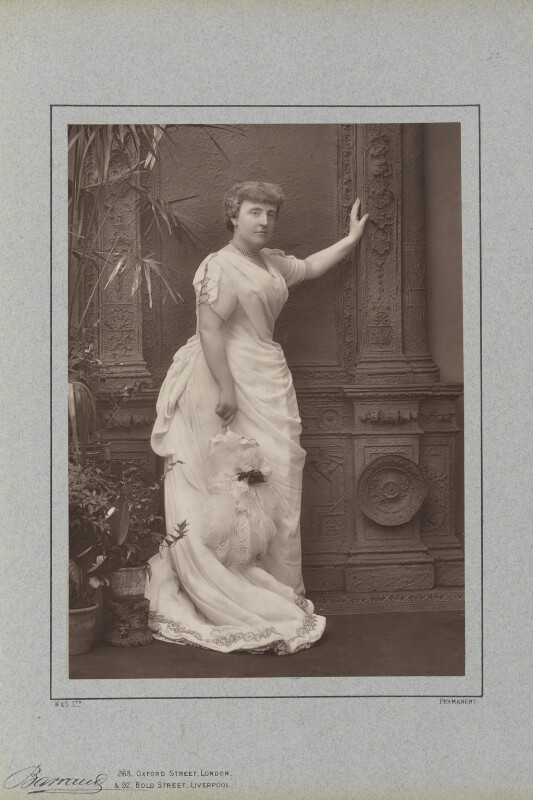
Photo portrait of Burnett from the Smithsonian National Portrait Gallery collection


Born in England in 1850, she evidently always wrote, even as a child. Her own financial fortunes seemed to wax and wane dramatically from childhood through adulthood much like the story lines of her fiction. Born into affluence her father dies when she is young and the family slowly spirals into poverty which ultimately forces a move to Tennessee to live with an uncle, who in turn becomes impoverished. Burnett begins publishing magazine stories to some success when she is 18, in order to help support her family and she quickly becomes a writing and publishing machine. She eventually marries and has two sons. She is living in Washington with her family when in 1879, on a visit to Boston, she meets Louisa May Alcott and Mary Mapes Dodge, editor of St. Nicholas magazine, and that is when she starts to write children’s fiction. This is of course where her fame will live on.

Meanwhile, an interesting aspect of Burnett’s adult fiction for me is she is another entrant in a long line of women who write about the then modern woman of the day. Pictorama readers may remember my posts about the serial books Grace Harlowe and The Automobile Girls and The Moving Picture Girls (which can be read here) as well as my more recent one, mentioned above, about Edna Ferber, Fervent for Ferber (you can find it here).

In my mind there is a fascinating timeline that can be drawn from, let’s say, Louisa May Alcott (1832-1888) and her world of women which by necessity revolved mostly around caring for men and their families, to Burnett – women’s fortunes were still largely dependent on men and marriage, but there is an increasing sense of independence and control of their own destiny. The more independent American woman is frequently brought into contrast with her European (generally British) counterparts, causing all sorts of consternation. After Burnett the truly modern woman slowly emerges – driving cars, working for a living, controlling her own financial destiny – ultimately Edna Ferber’s women sit firmly astride both worlds, working, running businesses and finding their own success. I do hope Burnett and Ferber had a chance to meet, and I am glad Hodgson Burnett lives long enough to have a peek at that world for women. In another universe I believe I am writing a PhD thesis on this.

Even when Hodgson Burnett is writing about men, she is writing about women. I will expand on this theory when I return to this topic and write a bit more about some of the books. For though now I think I have chattered on enough for one Sunday!


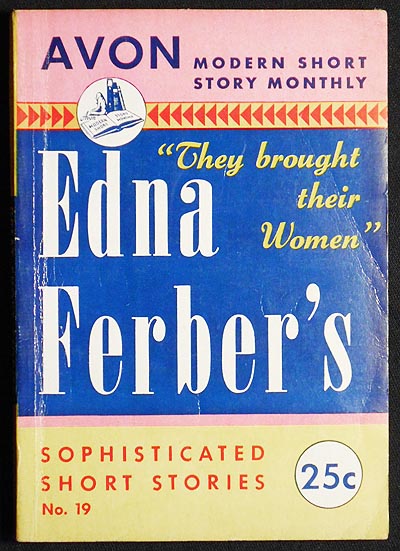
Fervor for Ferber

EdnaFerberDrinkingTeaSF39671

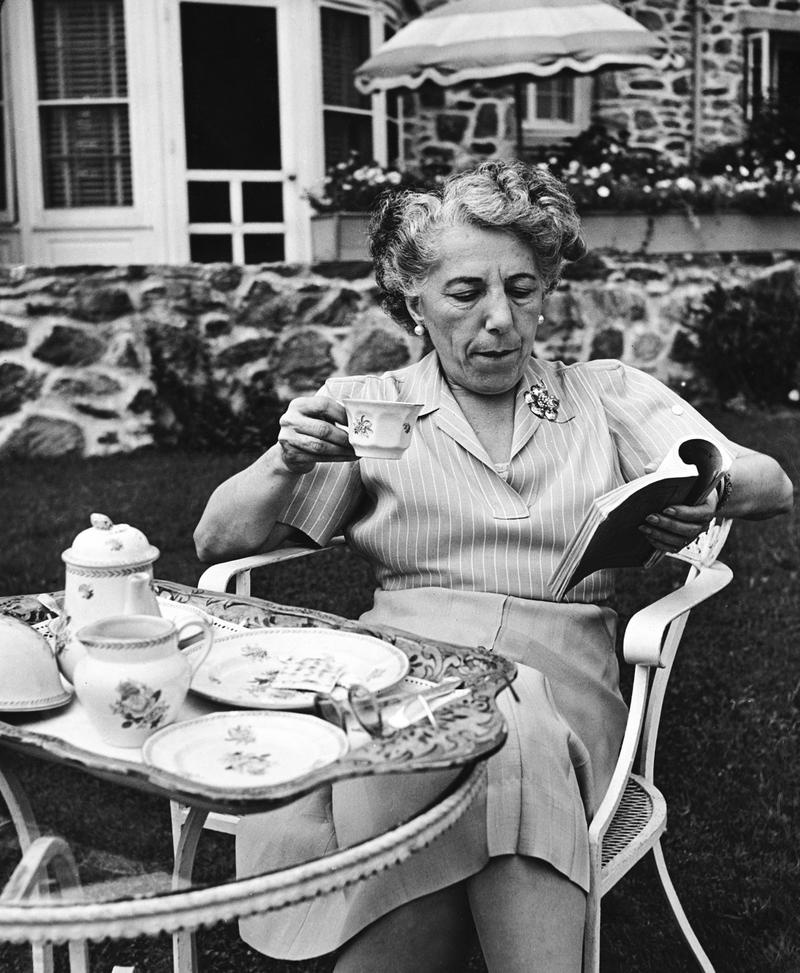
Interesting photo of Edna from the 1940’s, snatched off the internet


Pam’s Pictorama Post: I have always been a voracious reader. From the time I first mastered the skill, I delved deeply, deliciously and happily into a never-ending parade of books. I started with what we would today call young adult fiction, but quickly found my way to the broader world of fiction where I have largely wandered around delightedly ever since. I am, almost exclusively, a reader of fiction – straying into non-fiction only often enough to prove the rule.

I like to read books in order if they are a series, and it is annoying to me to not be able to start at the beginning and move forward – I also am irritated by gaps; I am a completist. This is sometimes stressful when reading old and somewhat obscure books which required hunting down, purchasing. (See my post on Grace Harlowe, the Automobile Girls and the Moving Picture Girls Novels which can be found here.) When I was younger I was fairly strict about reading one book at a time. These days I am likely to have an audio one going at the gym, a few available to me on my phone and iPad, and at least one in physical form. Those last ones generally reside next to the bed in our tiny bedroom a waxing and waning pile on my side. (Kim’s side of the bed requires its own future post, with high, towering piles which threaten to bury us in a Collier brothers type demise.) The audio books tend toward lighter fiction, short stories on my electronic devices and more serious fiction preferred in book form.

I would like to note here that I am an escapist in my reading. I shy away from the tragic and generally use my reading as a way of relaxing and shutting out the world. By my own definition, I read a combination of trash and good writing – classics, juveniles, comics – my own media feed of entertainment which follows my nose. I keep lists of books on my phone, on Amazon and on my Audible account so I don’t lose track of what crosses my path out in the world which I may wish to eventually devour.

I took on Edna Ferber last summer. I began with her short stories and a short novel and devoured them, finishing with the novels I had not read in my youth. Let me state for the record – she is one hell of a short story writer. Each story is a little gem of character development. The plots are simple, but not annoyingly so, and the stories have the added attraction (for me anyway) of being miniature time capsules of her day. She wrote very much of her world and the time she was living in – a very contemporary writer. Her stories, often but not by any means always, written from a women’s perspective frequently examine the changing, but often still confined and limited, role of women as the 20th century in this country really got rolling.

Most compelling for me in some ways are the stories of the women who made up the force of nannies, cooks and house keepers for Manhattan’s wealthy of the time – a live-in work force which peeled off to their other homes in Harlem and (my beloved home) Yorkville on the rare day or evening free. Often we get both sides of those stories – Edna was as able to write about the wealthy (so successful was she as a writer and screen writer, that she eventually joined their ranks) as well as the working class – and occasionally even the middle class folks on their way up and down the economic ladder.

It was the working class and the young and making their way in the world folks that she is at her best with in my opinion. One story that stayed with me Sun Dried, a collection called Buttered Side Down (1912) is about a young woman who comes to New York to become a writer and what happens to her as she sits on the roof of her building drying her hair. (Yes, a quaint idea but not uncommon in the days before home hair dryers and a women’s fashion that valued long hair, piled high on the head, for women.)

Edna (born in 1885 and died in 1968) made a study of people and that, combined with experiences from her own life, inform these stories and color them deeply with detail and immediacy. She was an excellent observer of people and their habits – had suffered a certain amount of anti-semitism herself which seems to inform her perspective as a loner and outsider.

Project Gutenberg provided me with (free no less) download access to much of Ferber’s earlier volumes of short stories and the novella, Dawn O’Hara: the Girl Who Laughed, published in 1911, all of which are a bit scarce in their non-electronic form these days. Kim kicked off the Ferber fiesta with a sampling of her series about the corset saleswoman, Emma McChesney. He hated it. Nonetheless, it caught my imagination, although I am willing to admit that those are indeed the lesser of her short stories they got me hooked. It was the early collections such as Cheerful by Request and Roast Beef, Medium which earned my deep regard. I believe I gobbled up all of the collections of her story, although perhaps a few of the uncollected stories escaped my dragnet and will come my way eventually. I do hope so.

Edna divides her attention largely between the greater Chicago area of her youth and New York City where she eventually sets up shop so to speak. Some of her stories take the occasional trip to Europe, Gigolo comes to mind, the same way she herself periodically made the tourist tour of the Old World. A partnership with George S. Kaufman produced plays and screen plays, some which became beloved films, such as Dinner at Eight and Stage Door.

Her novels, numbering more than a dozen, also contribute more than their share to cinema and musical history. Show BoatGiantSo Big, and Saratoga Trunk are among those that come to mind. The novels are very different fare and I have read almost all of them. The good ones are great – So BigShow Boat and Saratoga Trunk – are tops and sparkle with the best of her work. But I found the novels to be a mixed bag. Generally, even the good ones, lack the cunning and often mordant character development of her short stories.

Edna traveled with me to and from New Jersey all summer as I visited my father in hospice. It was often Edna I read at his bedside if he was asleep while I was there. I read her novel about Alaska (Ice Palace, 1953, – very disappointing for me actually, suffered from very two-dimensional characters, and I love a good Alaska story) while trying to recover from a miserable summer cold which plagued me from July into August.

I spent part of one night on our couch with a cough induced insomnia, giving Kim a break from my endless hacking, dosed with NyQuil and reading the bits of her autobiography that interested me. (She wrote two and we had the earlier one, A Peculiar Treasure, in the house thanks to Kim.) In short, Edna’s voice colored and calmed me both through the terrible and the monotonous over that long summer.

By fall I was working my way through some of the remaining novels – Saratoga Trunk traveled with me as I made my way to and through California with the orchestra, reading it on the bus and backstage at various times. I adored it and remember wishing it would last longer. (I am a fast reader and flights across country or internationally require several books.) A less successful book about a Connecticut family also consumed this fall, American Beauty, 1931. I did find her hit or miss on some of the novels. Giant, which I finished over the holiday season, was middle of the road for me. It wasn’t a favorite, but it was very readable and well written. Although I will never think of Texas exactly the same after reading it.

There are still a few scraps for me to read if I can track them down. Of the novels Cimarron remains. I recently read a book of short stories by Fannie Hurst, who certainly worked the same side of the street on short stories at the same time. (She too enjoying the voracious appetite of the theater and cinema for consuming her work.) The short stories were for me just that bit more maudlin, the characters a bit sodden and sentimental – missing the sparkle I am afraid. I will give her novels (Imitation of Life and Back Street among them) a try and see what I think of those. If I find anything of interest I will, of course, let you know.